Free tear gas residue cleanup tool
Tear Gas Residue Cleanup Cost Range Estimator
Set the affected area, surface types, severity and extras to see an educational cost range and the factors that move it.
Quotes for tear gas cleanup often seem too big for what the space appears to need. That is because the film you can see on a countertop is the smallest part of the work. Most of the effort goes into removing settled particles with HEPA vacuums. The crew also cleans every hard surface the gas reached with the right chemicals. They check and clean air system return vents and filters. They also make choices about carpet, furniture, drapes, and ceiling tiles that trap residue for good. This estimator asks about the affected area and the mix of hard and soft surfaces. It asks how heavy the exposure was. It also asks about extras, such as after-hours work, more rooms, odor treatment, and tearing out soiled building materials. Then it shows a sample range and lists what drives it. You can see which answers moved the result, and why soft items and ducts matter most.
The result is not a quote. Do not repeat it to a provider as if it were one. Local labor, disposal costs, the type of gas, and what an on-site check finds in the ducts all change the real number. What the tool gives you is know-how. When a written scope arrives, you will know the line items. These include sealing off the area, HEPA work, chemical cleaning, air system work, choices about belongings, and checks before return. You will notice if any are missing. Use the questions at the end as a script to ask for a scope in writing. Ask how the provider keeps chemical cleanup separate from later cosmetic repairs, such as painting or new floors. Lumping them together hides what you are really paying for.
How to use it
- 1Estimate the affected area. Note whether the air system carried residue into other rooms.
- 2Pick the surface mix. Count carpet, furniture, drapes, and soft ceiling tiles as soft surfaces.
- 3Choose a level based on how much gas was used, how long it sat, and whether symptoms return when you go in.
- 4Add any extras that apply, review the drivers, and copy the quote questions for your provider call.
Prefer to ask a person?
Your request is sent to the follow-up inbox. A coordinator can reply by email. Not for emergencies; call 911 first if anyone is in danger.
Estimate a cost range
Tear Gas Residue Cleanup cost range estimator
Educational only. Real pricing needs an on-site assessment and a written scope. Insurance coverage is decided by your carrier, not by this tool.
Educational range: $3,000 – $5,000
Scaled from a published reference range (typical biohazard cleanup project, national) reported by Fixr (2025). Your region, provider and the actual findings on site can move the real number outside this range.
Cost level: Mid range.
None of the big cost multipliers are selected. Minimum service charges, travel and waste fees still apply.
Ask every quote to itemize labor, containment, product, waste disposal, verification sampling, and any rebuild, and to state what is excluded.
A worked example
Here is a made-up townhouse. During a standoff with a former resident, police fired CS canisters into the ground-floor living room. The new owner enters a medium affected area. It covers the living room, the kitchen next to it, and the stairwell. He picks a mostly soft surface mix. The living room has carpet, a large sofa, and heavy drapes, and the stair carpet runs to the second floor. He picks a high level because the central air was running during the operation. People upstairs report burning eyes every time it turns on. He adds the extra for more rooms, for the upstairs bedrooms served by the same ducts. He adds the tear-out extra because the drywall near where the gas landed is scorched and stained. The tool shows a range. It explains that replacing soft items, duct work on two floors, and drywall removal are the main drivers. The kitchen's hard surfaces add fairly little. He copies the quote questions. They prompt him to ask each provider several things. Does the estimate cover duct cleaning or only a new filter? Which soft items will be removed and which cleaned? How will they check that it is safe to return? Are painting and new carpet included, or bid separately?
Numbers behind cost estimator decisions
- $5,000
After a 2015 SWAT standoff in Greenwood Village, Colorado used tear gas and explosives on an innocent family's home, the city offered only $5,000 toward the insurance deductible; courts denied further compensation.
Read with care: A single case; outcomes depend on state law and the homeowner's policy language.
Source: Westword (2019)Lech v. Jackson, Tenth Circuit, Colorado
- $16,550
OSHA's maximum penalties are $16,550 per serious violation and $165,514 per willful or repeated violation.
Read with care: Amounts adjust annually for inflation.
Source: OSHA (2024)United States federal OSHA, 2024 inflation-adjusted amounts
- 8 hours annually
Workers covered by HAZWOPER must receive eight hours of refresher training every year.
Read with care: Refresher may be shorter if combined with documented equivalent training.
Source: OSHA (2024)United States, 1910.120(e)(8)
- 1,814
Eye and Face Protection (1926.102) drew 1,814 OSHA citations in fiscal 2024, ninth on the most-cited list.
Read with care: Construction-standard citation; general industry PPE cited separately.
Source: OSHA (via Safety+Health) (2024)United States federal OSHA citations, FY2024
These figures are public research and agency data, not this network's own job records. Keep each number with its population, year and limits; none of them predicts cost, timing or outcome at a specific property.
Cost Range Estimator questions for tear gas residue cleanup
Why does HVAC involvement change the range so much?
When the air system ran during or after the gas was used, residue was pulled into the return vents. It settled along the ducts and on the fan. Then it was blown into every room on the system. Cleaning that path means a new filter and cleaning the return vents and registers the crew can reach. Sometimes it means deeper duct work, in rooms that never saw a canister. That adds both labor and more spaces to treat. That is why the tool gives it so much weight.
Does the estimate include replacing carpet or repainting?
No. The range covers the cleanup itself. That means removing residue, chemical cleaning, air system work, and throwing out items that cannot be saved. Putting in new floors, replacing drywall, and painting are repair tasks. They are usually bid separately, often by a different contractor. When you read a quote, check where cleanup ends and repair begins. Compare providers on the same part of the job.
What does the odor treatment extra mean for tear gas?
It stands for air cleaning and treatment steps used after residue removal, when a chemical smell lingers. For tear gas, odor treatment is a support step, never the main event. The smell is not the hazard. The residue is. Say a provider suggests fogging or deodorizing as the main method, without first using HEPA removal and the right cleaners. Then the order is backwards, and the space will likely keep irritating people.
How should I interpret a quote that is much lower than the range?
Look for what is missing. A low quote often omits HVAC work beyond a filter swap, skips soft-goods removal, or relies on general-purpose cleaners rather than chemistry matched to the agent. Ask the provider to walk through their scope line by line and to explain how they will confirm the space no longer causes symptoms. A cheaper job that has to be redone after occupants react is not a savings.
Should I get more than one quote for tear gas cleanup?
Sometimes the building can be locked up and no one has to live there for now. In that case, it is worth comparing written scopes from more than one checked provider. That shows differences in method, mostly around the air system and soft items. If people are out of their homes and the situation is urgent, focus on getting one clear scope. Confirm the provider's chemical methods, breathing protection program, and insurance before work begins.
Can I use the estimator before anyone has been inside the building?
Yes, as a rough planning step. Answer the questions using what you know from the incident, such as whether canisters landed inside, whether the heating or cooling ran and which rooms have carpet or upholstered furniture. Mark anything uncertain as unknown rather than guessing low. Once a provider walks the property, compare their written scope with your inputs and update the estimate so you are not relying on assumptions.
How should I use the estimate when talking to my insurer or landlord?
Treat it as a conversation starter, not a figure to submit. It helps you explain which factors, such as soft goods or ductwork, are likely to drive the job, so the other party understands why a professional scope may be larger than expected. When you need a number for a claim, use the provider's itemized written estimate. Keep a copy of your tool inputs to show how your early expectations were formed.
Related community polls
Every count is a real visitor vote; nothing is seeded or padded. One vote per poll per device, and you can change your answer.
How did tear gas end up in your building?
What was the first thing you tried to reduce the irritation?
Other tear gas residue cleanup tools
Provider Vetting Checklist
Fifteen questions to ask any remediation provider, a readiness score, and a copyable list of what is still unanswered.
OpenInsurance Claim Organizer
A guided checklist from finding the policy to tracking the carrier decision, with a printable summary of where the claim stands.
OpenFirst 24 Hours Planner
Tell the planner a few facts about the situation and get an ordered list of who to call, what not to touch, and what to photograph.
OpenWaste & Disposal Classifier
Five questions about the material point to the likely waste category and which authority to confirm the rules with.
OpenDIY or Call a Pro? Risk Check
Eight yes-or-no questions that produce a risk level and explain when professional help is the safer choice.
OpenMore on tear gas residue cleanup
Tear Gas Residue Cleanup services
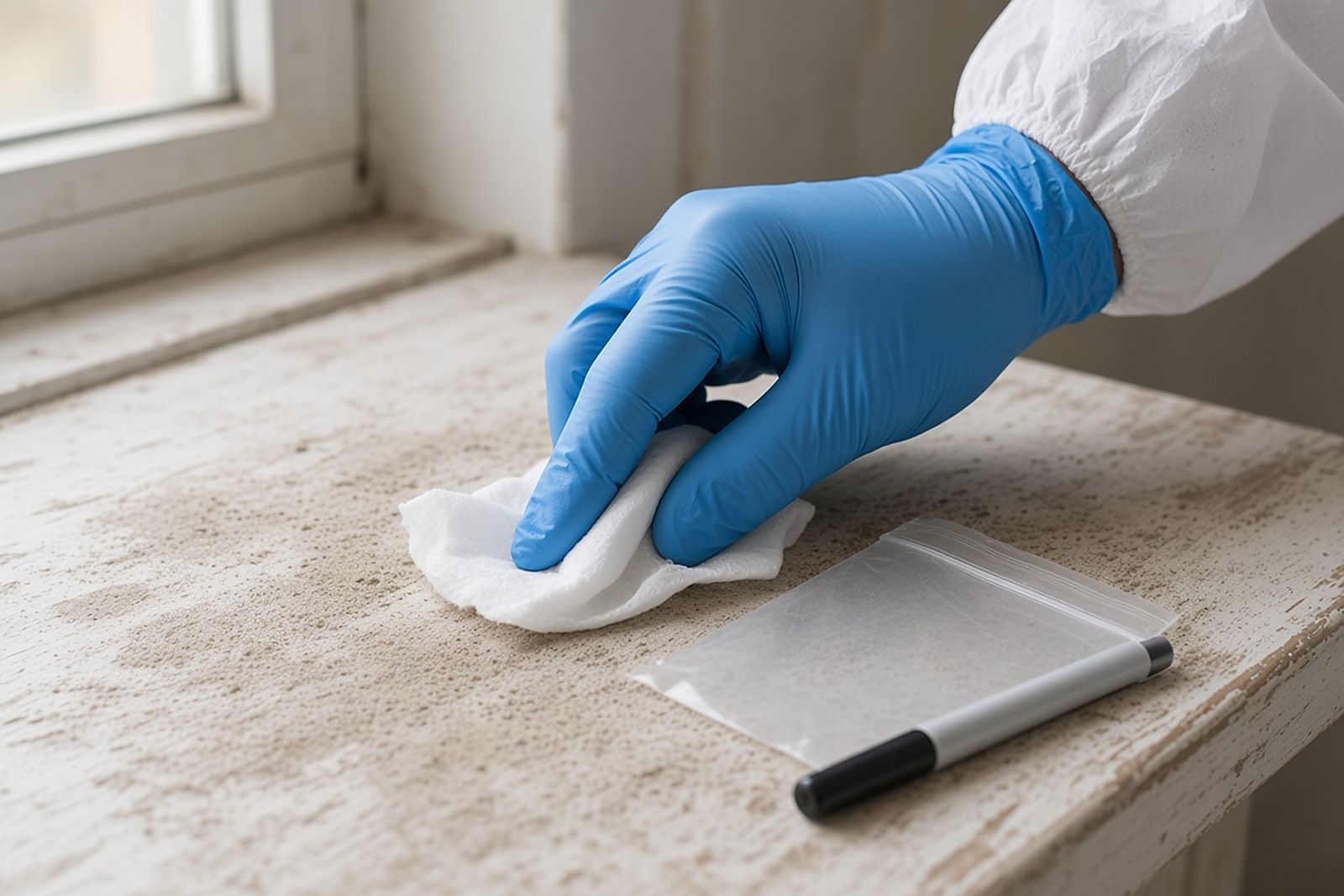
Learn what professional tear gas cleanup involves. It covers HEPA removal, the right chemicals, air system checks, choices about soft items, and safe return checks.
Costs explained
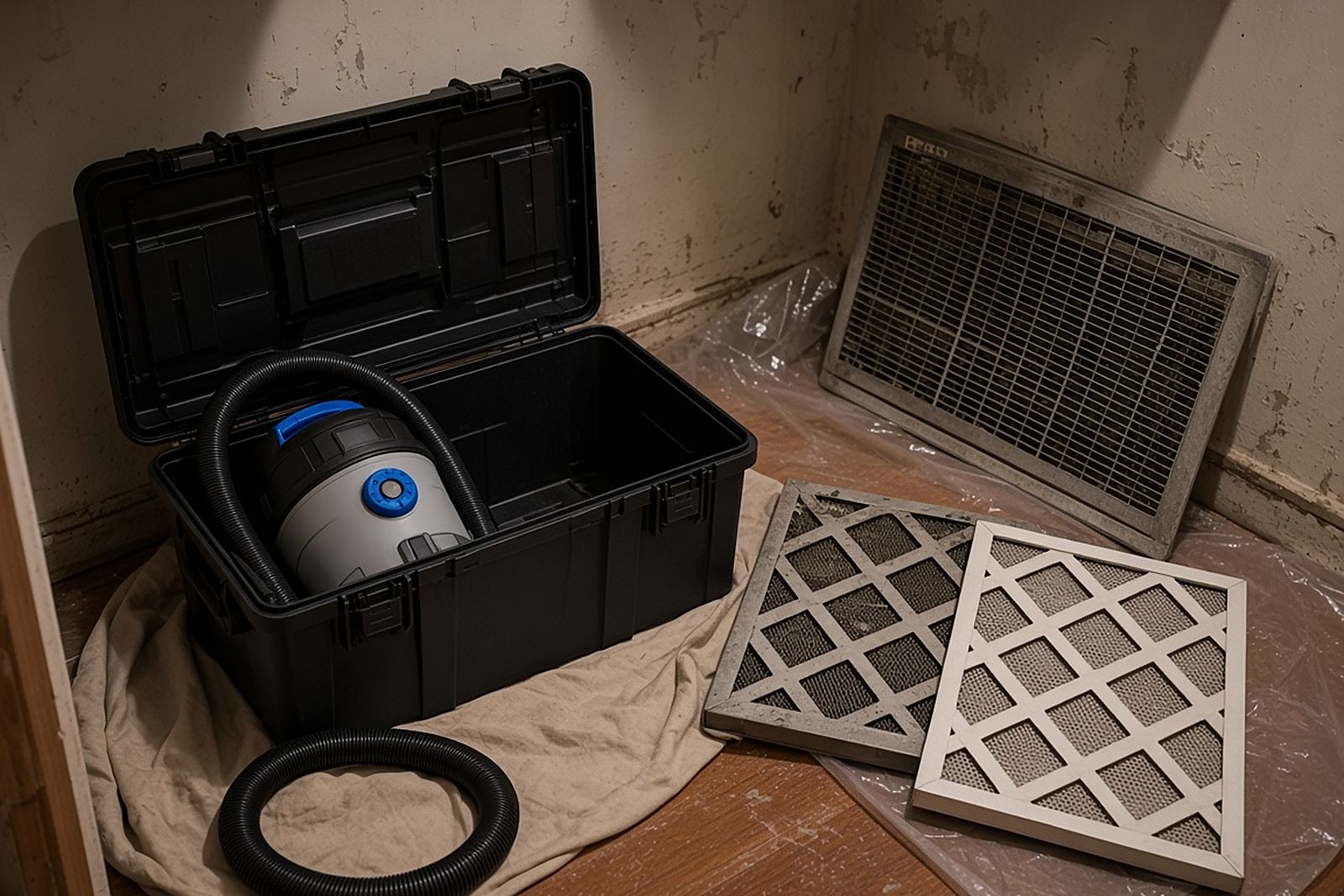
What drives the price, published cost ranges, and how to read a written quote line by line.
Insurance and payment
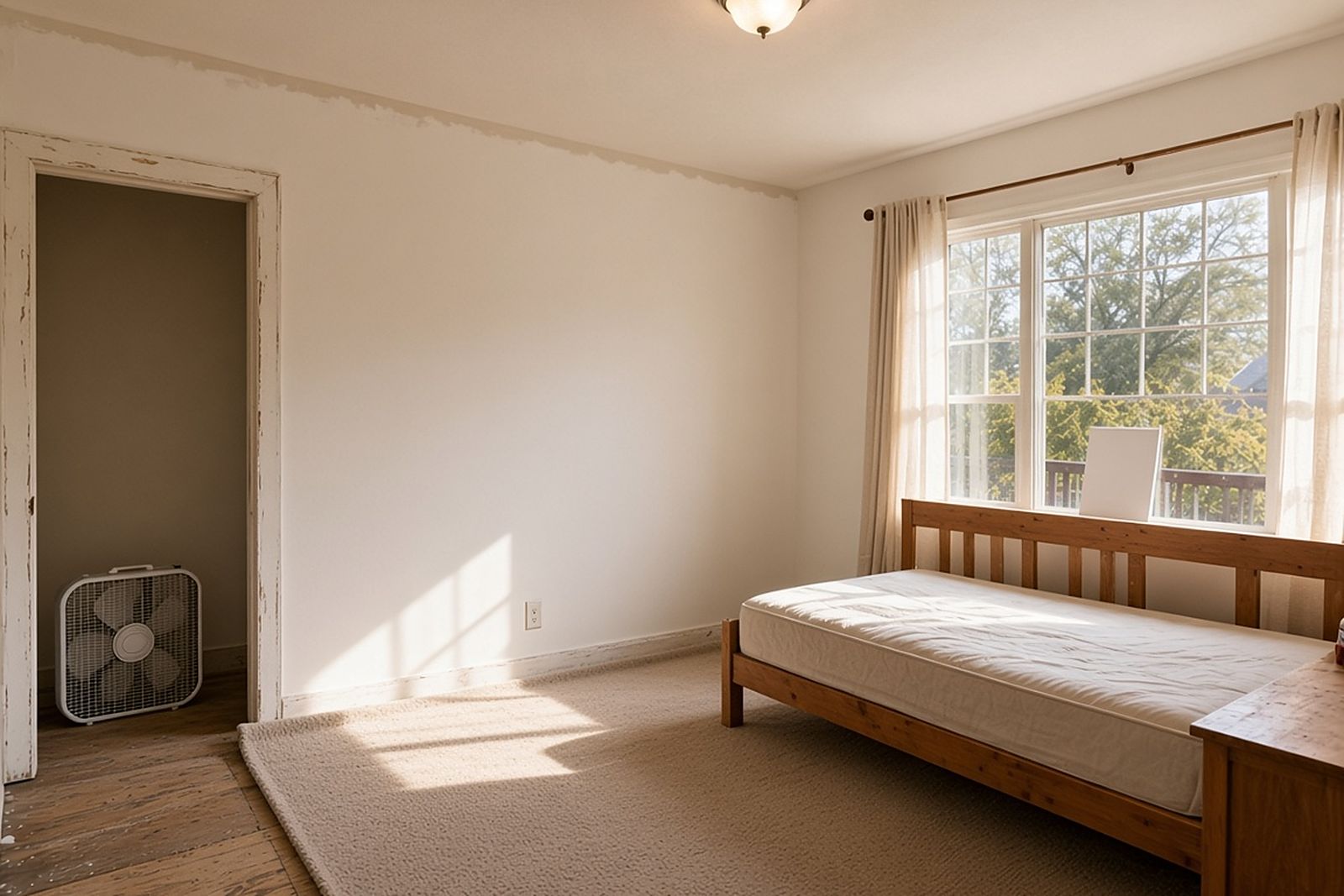
Which policies may respond, how to document a claim, and what to do if coverage is denied.
Community polls
Compare your experience with other tenants, owners, and managers who dealt with tear gas residue. See which choices they found hardest afterward.
Knowledge quiz
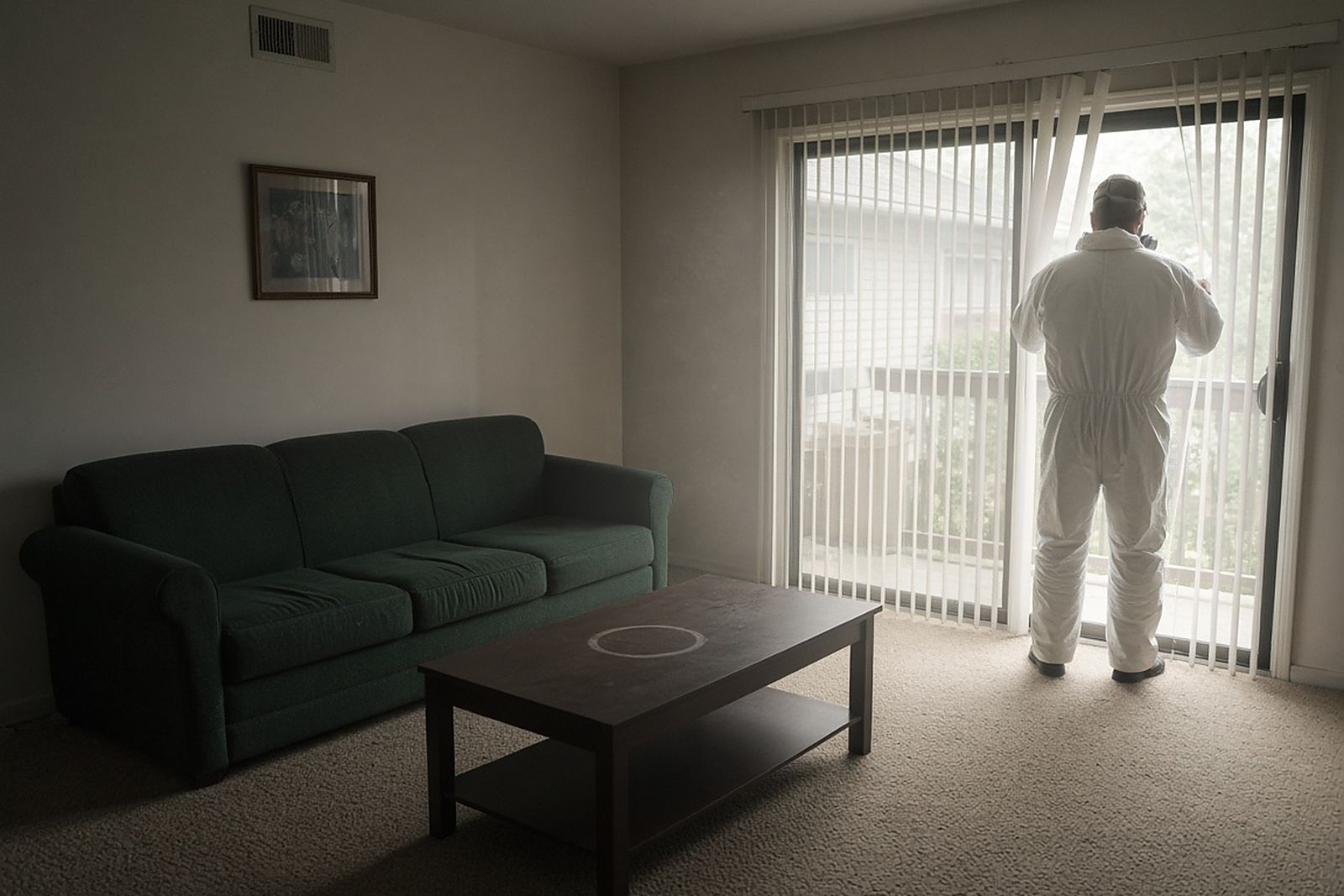
Check what you know about how CS and OC residue behaves, why the air system matters, and what a thorough cleanup and its records should include.
Articles and resources
Read articles on how tear gas acts in buildings, lessons from home and business cleanups, and how cleanup methods keep changing.
Field guides
Read detailed guides on where residue hides, breaking it down versus cleaning it, who does what as landlord or tenant, and what a written cleanup plan should say.