Tear Gas Residue Cleanup community polls
See how other people handled the same decisions, then add your own answer.
Tear gas events are rare enough that most people who face one have never met anyone else who has. That makes the aftermath harder. You are trying to judge whether the burning in your throat is normal. You are trying to judge whether your landlord is being fair and whether the quote in front of you is fair. And you have nothing to compare it to. The polls on this page gather the experiences of visitors who went through a gas event in a home, a store, or an apartment building. They share what they tried first, what worked, what they regretted, and how long the disruption lasted. That gives you something to measure your own situation against. The point is not to find the right answer in a vote count. It is to learn what questions others wish they had asked.
Get an email reply about tear gas residue cleanup
Send a short message to the follow-up inbox. A coordinator can reply by email. This form does not send emergency help; call 911 first if anyone is in danger.
Vote on the questions that matter here
Every count is a real visitor vote; nothing is seeded or padded. One vote per poll per device, and you can change your answer.
How did tear gas end up in your building?
What was the first thing you tried to reduce the irritation?
Which part of a professional quote was hardest to understand or accept?
How clear was it who was responsible for paying for cleanup?
How long did irritation continue after the event, in your experience?
How well did the providers you called explain their plan for CS or OC residue?
Why opinions matter in tear gas residue cleanup
The choices after tear gas is used tend to come in a certain order. First is whether the space can be entered at all, and who gets to decide. Then comes the urge to clean, and the choice between home products and an expert. After that, harder questions come up. Which belongings should you keep? Does the heating and cooling system need work? Who pays when police or a neighbor caused the event? How can you tell when it is truly safe for children or pets to come back? Each poll here focuses on one of those choices. Reading how others weighed them can help you see which choices are urgent, which can wait, and which you should not make alone.
Poll results reflect opinion and memory, not measurement. Many people may say they cleaned their own carpet. That tells you what people did, not whether it was safe or worked. Many later say the irritation came back. Someone exposed by a single canister in one room faced a different situation than someone whose building pulled gas through a central air system. Use these results to widen your thinking. Use them to prepare better questions for a provider, an adjuster, or your landlord. Do not use them to decide that a space is safe or that a symptom is nothing to worry about. Do not assume a certain party will pay just because that is how it worked for someone else.
How to read poll results
A poll is a snapshot of what a self-selected group of visitors chose to say. It is shaped by how the question was worded and by who happened to find the page. It cannot tell you how long CS particles stay active in fabric. It cannot tell you how often air systems spread residue between units, or what share of claims get paid. Those are questions for research, agency guidance, and industry data. Each of those has its own methods and its own limits. When you read a poll result on this site, treat it as the feelings of people who cared enough to respond. For facts about the wider world, look to the sourced figures elsewhere on the page.
Good reading habits are simple. Note how many people responded, since small samples shift with every new vote. Ask whether the options were balanced, or whether one was written to be the obvious choice. Think about who was likely to vote. People who searched for tear gas cleanup help are mostly those already dealing with it, and that colors their answers. Then set the poll beside the sourced facts. Say many people report that airing out the house was enough. But the health advice nearby explains why settled residue keeps irritating people. The gap between those two is where you should slow down and think.
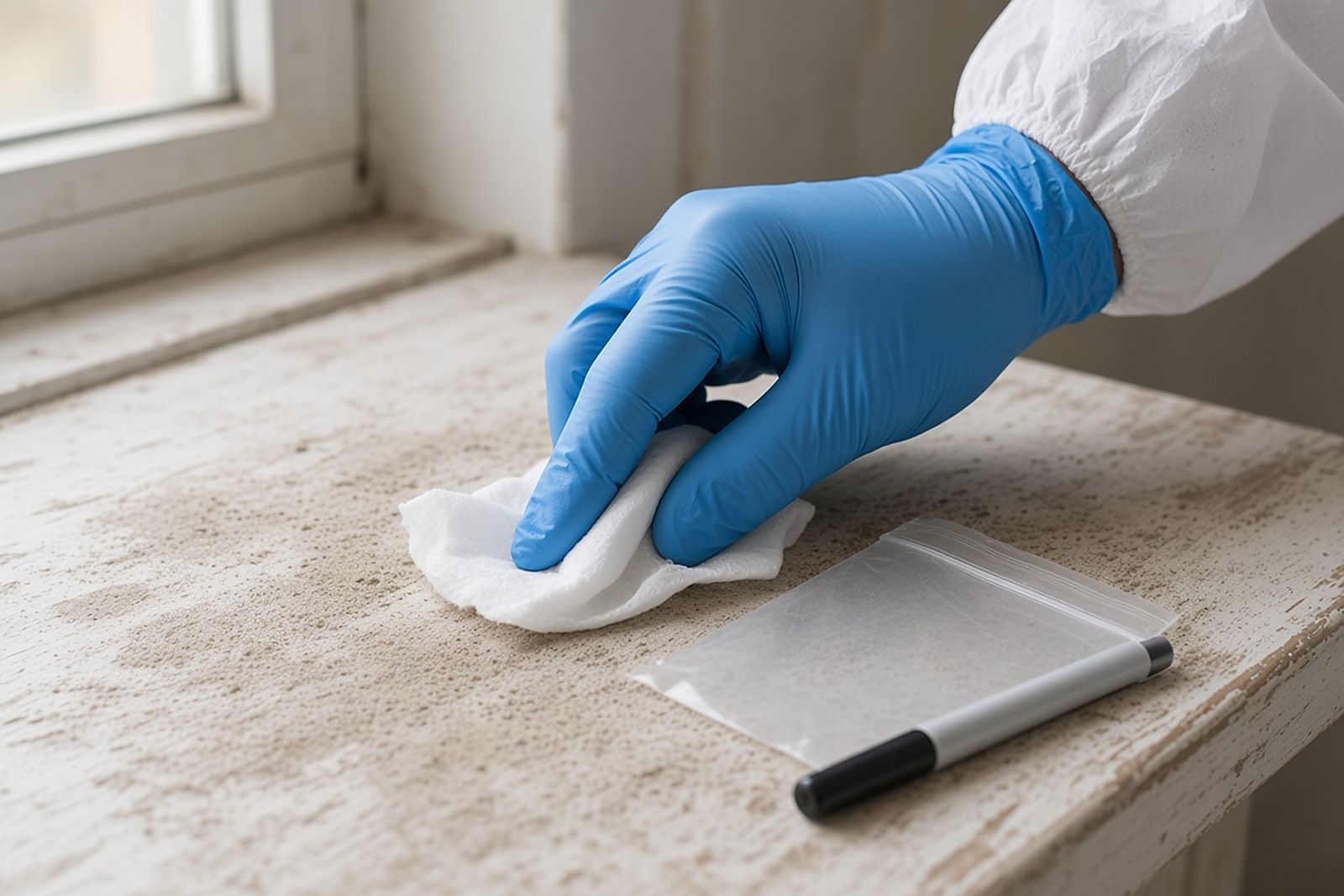
How voting works
One vote per poll per device; you can change your answer. Votes are stored as anonymous counts with a salted, hashed identifier and never linked to a name, email or form submission.
Opinion versus observation
Findings from published studies of people and properties in situations like this one. They describe what researchers observed in a specific group; they are not predictions for your case.
More reported exposure days were associated with more delayed issues, except mouth-related issues.
Sourced numbers next to the opinions
Polls show what visitors think. These figures come from published research and agency data, so you can compare perception with evidence.
- 89 tear gas uses in 34 states
Amnesty International recorded 89 uses of tear gas in 34 states and 21 uses of pepper spray in 15 states plus D.C. between May 26 and June 5, 2020.
Read with care: Counts verified incidents in one short period; total 2020 deployments were higher.
Source: Amnesty International (2020)United States, 11-day window in 2020
- $5,000
After a 2015 SWAT standoff in Greenwood Village, Colorado used tear gas and explosives on an innocent family's home, the city offered only $5,000 toward the insurance deductible; courts denied further compensation.
Read with care: A single case; outcomes depend on state law and the homeowner's policy language.
Source: Westword (2019)Lech v. Jackson, Tenth Circuit, Colorado
- 45,000 raids/year
Criminologist Peter Kraska's surveys, cited by the ACLU, estimate SWAT raids grew from about 3,000 per year in the 1980s to 45,000 per year by the mid-2000s.
Read with care: Survey-based estimate; there is no official national count of SWAT deployments.
Source: ACLU (citing Kraska) (2014)United States, 1980s to mid-2000s
- 4-15%
The American Psychiatric Association estimates that 4% to 15% of bereaved adults experience prolonged grief disorder, diagnosable 12 months after a loss.
Read with care: Range reflects differing study populations and criteria.
Source: American Psychiatric Association (2024)Bereaved adults, APA patient information
These figures are public research and agency data, not this network's own job records. Keep each number with its population, year and limits; none of them predicts cost, timing or outcome at a specific property.
Questions about tear gas residue cleanup polls
Who typically responds to the tear gas polls?
Mostly people who went through a gas event in their own home, rental, or business. Some property managers, insurance workers, and cleanup workers also answer. Nobody is checked, and the group is not a scientific sample. It is still useful, because these are people who truly faced the choices described. But their answers describe their situations, not yours. Treat the results as a set of views, not as a measure of everyone.
Can I see results before I vote?
Results appear after you make a selection so that seeing the current leader does not influence your answer. Each poll records one response per browser and remembers your choice when you return. If you clear your browsing data or use a different device, the poll will not recognize you. There is no mechanism to change a vote, so read all the options before choosing.
Why are there no polls about which cleaning products work best?
Because a popularity contest among home products would be misleading and could cause harm. Tear gas residue responds to certain chemicals and methods. Many products people might favor either spread the residue or create new hazards when mixed. Polls on this site ask about experiences and choices, not about which products to use. For questions about methods, rely on the sourced guides and on a checked provider's written plan.
Do the polls affect which providers this site connects people with?
No. Poll results measure what visitors think. They play no part in connecting you with providers. You should check every provider yourself using the vetting checklist. Ask about their chemical cleanup methods, breathing protection, plan for the air system, and insurance. A poll might show that people wish providers had better explained choices about soft items. That is useful for your own questions. But it is not an endorsement of anyone.
How might a landlord or property manager use these polls?
Polls show the concerns tenants often raise after a gas event. They are unsure when they can return. They are frustrated by vague answers about the heating and cooling system. They are confused about who is responsible for belongings. A manager can use those themes to prepare clear updates. A manager can also decide what to include in a scope before tenants ask. The polls do not describe legal duties. Those vary by state and county and should be checked with the local office.
What if my experience does not match the majority answer?
That is expected, and it does not mean anything went wrong. Gas events vary a great deal in the type of gas, the amount, the airflow, and the building layout. So experiences differ. Say most people report quick relief, but you still have symptoms weeks later. That is a reason to look for missed sources, such as ducts or padded furniture, not to doubt yourself. Use the mismatch as a prompt for a more thorough check.
Can I propose a poll about a situation not covered here?
Yes. Some situations may deserve their own question. Examples include gas coming in through open windows from a street protest, gas used in vehicles, or exposure through a shared wall in a townhouse. Describe the situation, the choice you faced, and the options you weighed. Ideas that would ask people to share medical details or name others are not used. New polls are added when they help readers think through a real choice.
More on tear gas residue cleanup
Tear Gas Residue Cleanup services
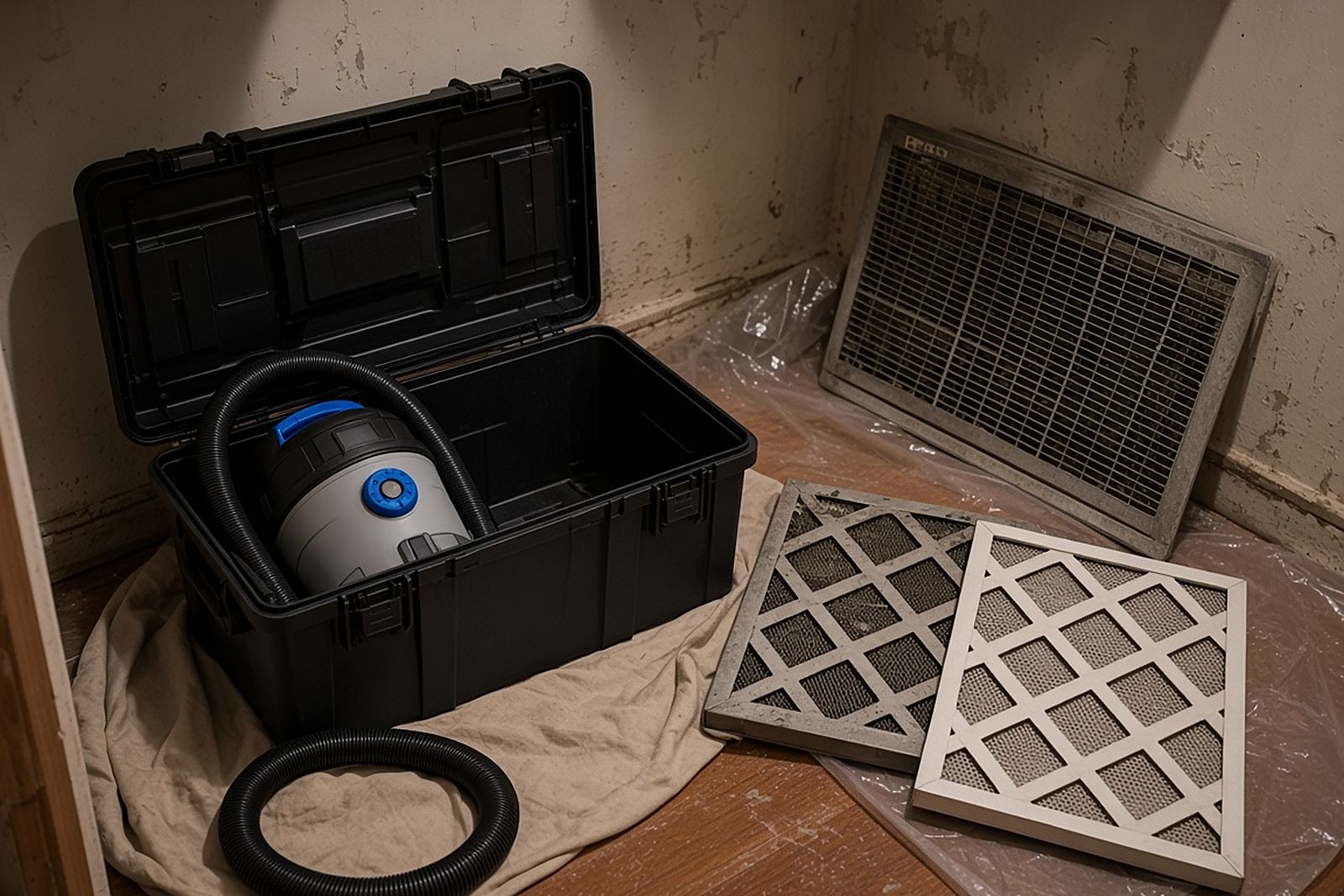
Learn what professional tear gas cleanup involves. It covers HEPA removal, the right chemicals, air system checks, choices about soft items, and safe return checks.
Costs explained
What drives the price, published cost ranges, and how to read a written quote line by line.

Insurance and payment
Which policies may respond, how to document a claim, and what to do if coverage is denied.
Planning tools
Use planners and checklists that walk you through the first day. They help you judge the risk of doing it yourself and get ready to talk with providers, landlords, and insurers.
Knowledge quiz
Check what you know about how CS and OC residue behaves, why the air system matters, and what a thorough cleanup and its records should include.
Articles and resources
Read articles on how tear gas acts in buildings, lessons from home and business cleanups, and how cleanup methods keep changing.
Field guides
Read detailed guides on where residue hides, breaking it down versus cleaning it, who does what as landlord or tenant, and what a written cleanup plan should say.