Short answer
Disinfection kills microorganisms, but tear gas agents such as CS and OC are chemical irritants, so disinfectants do little to remove them. Tear gas cleanup depends on physical removal through HEPA vacuuming and washing, cleaning chemistry suited to the agent, such as alkaline solutions for CS or degreasers for OC, and discarding soft goods that cannot be cleaned. Disinfection matters only if blood or other biological material is also present.
Why won't a disinfectant fix tear gas residue?
After tear gas is used in a home or business, many people reach for the strongest cleaning product in the cupboard, often a disinfectant. It seems logical: the space feels contaminated, and disinfectants are what we use against contamination.
The problem is that disinfectants are designed to kill or inactivate living microorganisms such as bacteria and viruses. Tear gas agents are not alive. CS, the most common tear gas, is a synthetic chemical that disperses as fine crystalline particles. OC, the active ingredient in pepper spray, is an oily resin derived from peppers. CN is an older synthetic agent.
Spraying disinfectant on those residues does not kill anything, because there is nothing to kill. It may dampen some particles or leave a pleasant smell, but it does not reliably lift, break down or remove the irritant. Some products may even smear oily residue across a wider area. The work that actually matters is cleaning and removal.
What cleaning means in tear gas remediation
Cleaning after tear gas is the process of physically capturing and removing residue from surfaces and materials. It usually happens in a planned sequence.
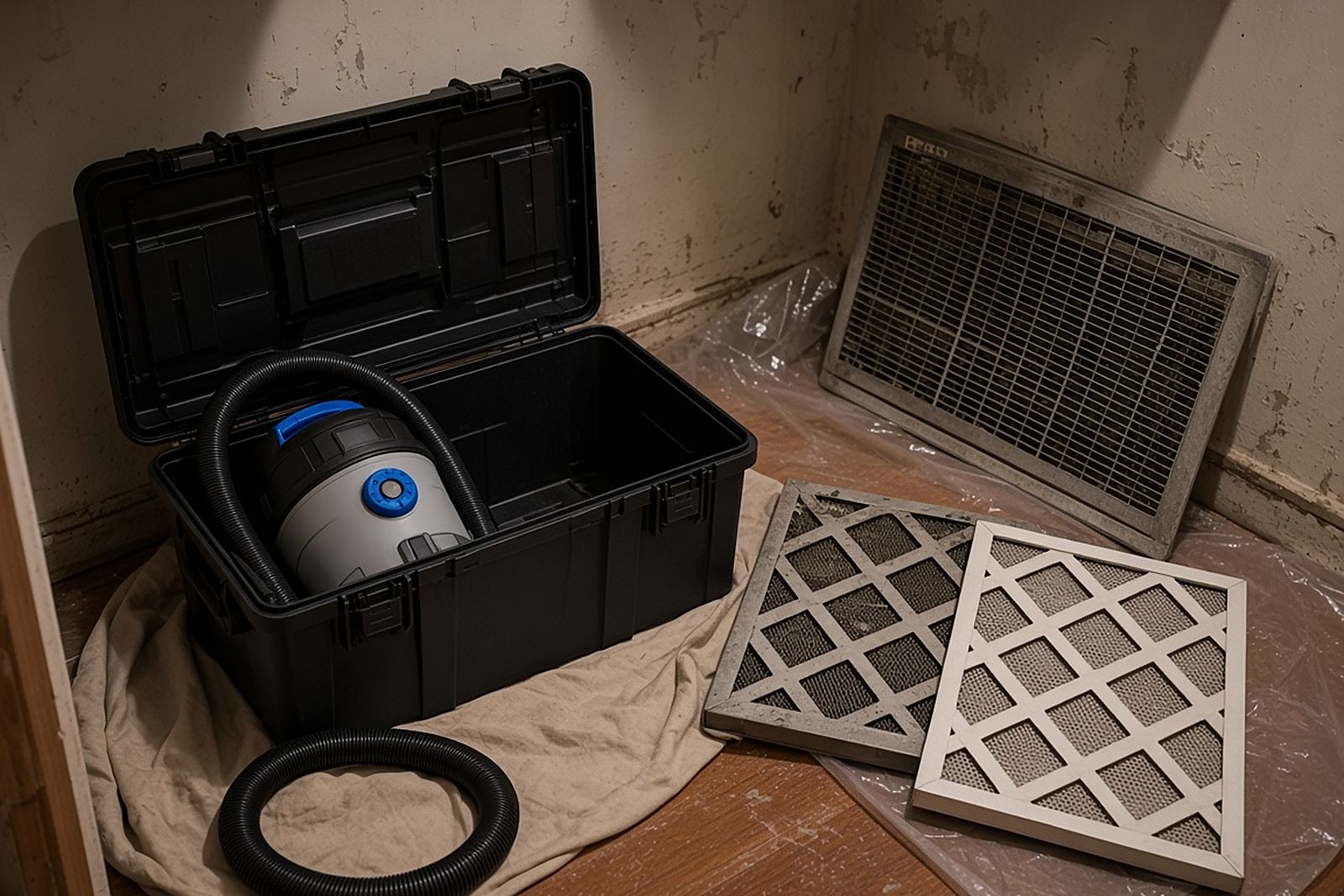
Crews typically begin with HEPA vacuuming. Dry particles of CS are fine enough to become airborne easily, so ordinary vacuums, brooms and dusters can blow them back into the air. HEPA vacuums capture those particles rather than redistributing them.
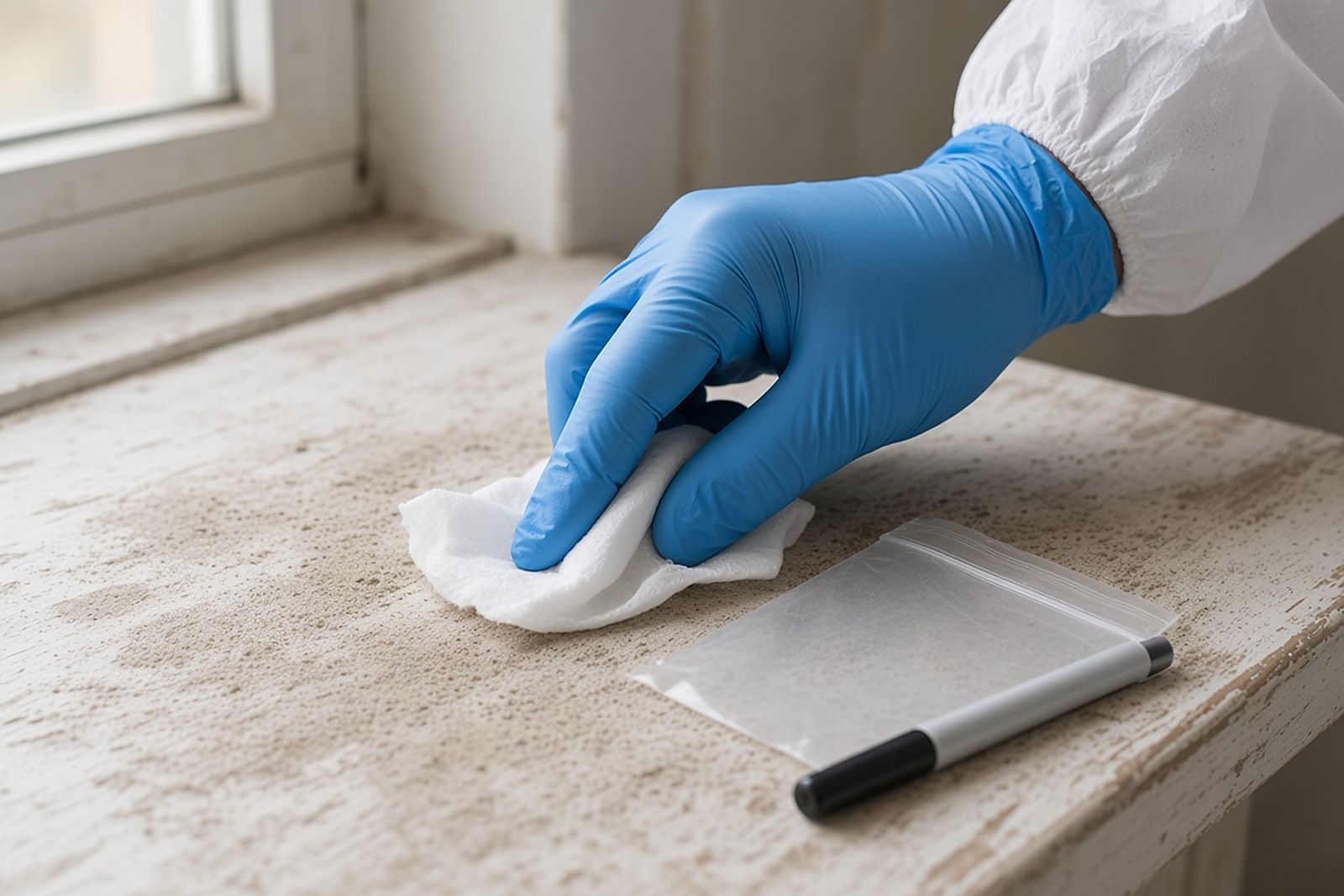
Next comes wet cleaning of hard surfaces with solutions suited to the agent. Walls, ceilings, floors, trim, cabinets, counters, appliances, windows and fixtures are washed systematically, usually working from the least to the most contaminated areas and changing cleaning solutions and wipes often.
Soft goods are handled separately. Some can be professionally laundered or cleaned. Others, especially heavily exposed mattresses, pillows and upholstered furniture, may need to be discarded.
The HVAC system is part of cleaning, too. Filters should generally be replaced rather than cleaned, and registers, returns and ducts may need attention if the system ran during or after the deployment. Turning the system back on before it has been addressed can undo much of the room-by-room work.
Chemistry for CS, and a different approach for OC
CS is sensitive to the pH of the solution it contacts. According to a 2014 National Research Council report on acute exposure guideline levels, CS hydrolyzes with a half-life of about 15 minutes at pH 7 but about 1 minute at pH 9. In simple terms, it breaks down much faster in alkaline conditions than in neutral water.
That is one reason many tear gas cleanup crews use alkaline cleaning solutions on hard surfaces. The solution helps lift residue and speeds its chemical breakdown at the same time.
Alkaline products are not appropriate for every surface. They can etch or dull some stone, damage certain finishes and affect aluminum or painted surfaces. A careful crew tests products on inconspicuous areas and chooses methods for each material rather than applying one solution to everything.
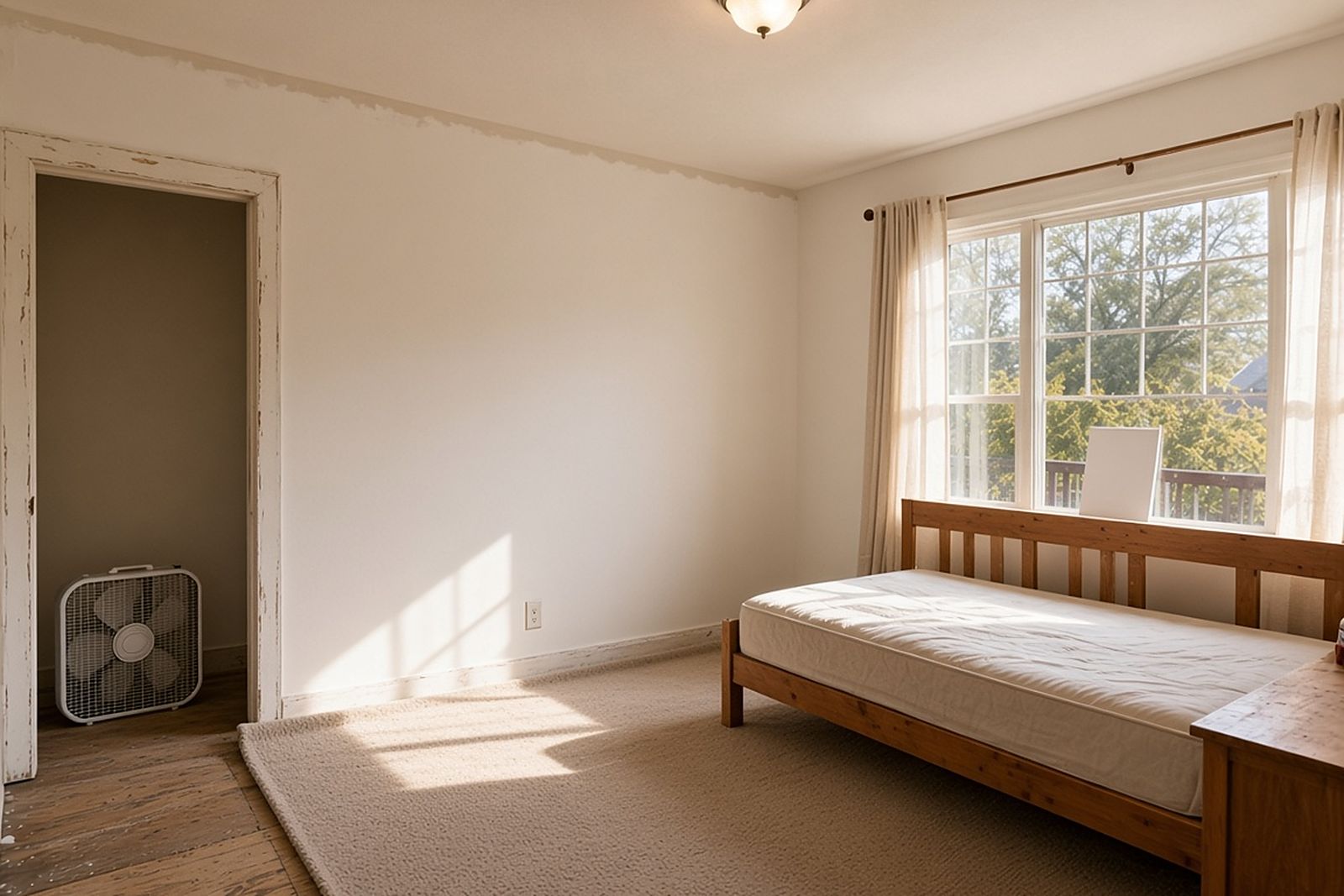
Rinsing is an important final step. Leaving alkaline solution to dry on a surface can leave a film that irritates skin or damages finishes over time. A thorough rinse, followed by drying, leaves surfaces clean and neutral.
OC behaves differently. Because it is oil-based, it clings to fabrics, skin-contact surfaces and anything with a slight coating of grease. Plain water mostly pushes the resin around instead of picking it up.
Crews working with OC often use degreasing detergents or surfactants that emulsify the oil so it can be lifted and rinsed away. Multiple passes may be necessary, particularly on kitchen surfaces, upholstery, vehicle interiors and high-touch areas such as door handles and railings.
When you do not know which agent was used, a crew may plan for both: HEPA vacuuming to capture particles, alkaline washing for surfaces likely hit by CS and degreasing for areas that feel oily or where irritation lingers after the first cleaning. Asking the responding agency what was deployed, where possible, can make the plan more precise.
Materials that usually need removal rather than cleaning
Residue can penetrate porous and fibrous materials deeply, and some of those materials are difficult or impossible to clean thoroughly. In those cases, removal is often the most reliable option.
Deciding what to keep can be emotional, especially for clothing, keepsakes or a child's favorite blanket. A good crew will explain which items have a realistic chance of being cleaned successfully, which are unlikely to be, and will let you make the final call on anything with personal meaning.
Items and materials that are commonly evaluated for removal include:
- Mattresses, pillows and bedding that were in rooms where canisters were deployed.
- Upholstered furniture that cannot be thoroughly cleaned.
- Carpet and pad in heavily affected rooms.
- Porous ceiling tiles and exposed insulation.
- HVAC filters, which should generally be replaced.
- Open food, spices and uncovered dry goods.
- Stuffed toys, fabric window treatments and similar soft items that cannot be laundered effectively.
Skin and eye exposure during cleanup
Cleaning disturbs residue on purpose, which means the people doing it face a real risk of exposure. CS is especially irritating to moist skin, and sweat under a suit or on a wrist can turn a trace of residue into a burning patch.
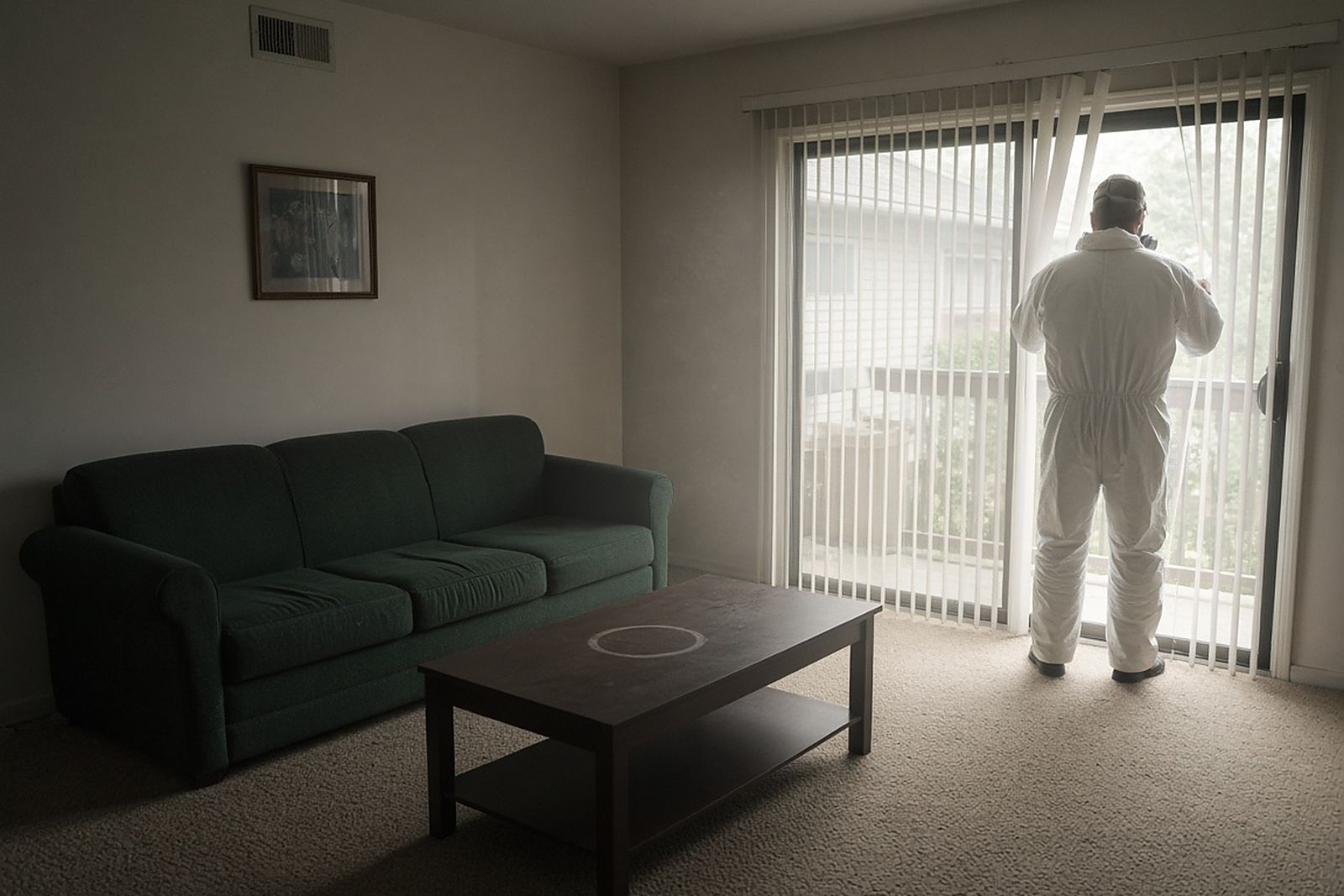
Crews should wear respiratory protection, eye protection, gloves and protective clothing, and should remove and handle contaminated gear carefully. Homeowners who try to clean on their own should be aware of the same risks and should avoid touching their faces while working.
Many people report that water on skin exposed to CS residue briefly intensifies the burning, which is one more reason a steady, planned cleaning process with good ventilation is safer than frantic scrubbing.
When disinfection does belong in the job
Although disinfection does not address tear gas residue, it can still be part of a larger job. Tactical entries and protests sometimes involve injuries. Broken glass can cause cuts. Blood may be present on floors, doors or furniture.
Where blood or other bodily fluids are present, crews should follow bloodborne pathogen precautions, clean the area to remove organic material and then apply a registered disinfectant according to its label contact time. That work is separate from the chemical cleanup and should be listed separately in the scope.
Keeping the two problems distinct helps ensure each is handled correctly. A plan that relies on disinfectants for everything will leave chemical residue behind. A plan that ignores biological contamination because the job is labeled tear gas may miss a real health hazard.
The disinfect-and-sweep mistake
Businesses on streets where police disperse crowds see a familiar pattern. Gas drifts in through an open door, a canister may land near the entrance, and the next day the owner finds a faint powder on counters and racks. The natural response is to wipe counters with a disinfectant spray, run the ventilation and sweep the floor.
Each of those steps works against the owner. The spray does nothing to the irritant, sweeping puts fine particles back in the air and the ventilation system carries residue into back rooms. Within hours, eyes are streaming and customers are coughing.
The fix is the sequence described above: ventilation off, HEPA vacuuming of floors and fixtures, alkaline washing of hard surfaces after spot-testing finishes, new HVAC filters and cleaning of nearby ducts, with merchandise near the entrance set aside for evaluation. If broken glass has left blood on a display case, that spot is cleaned and disinfected as a separate task.
Questions about a company's methods
Ask whether the company will try to identify the agent used, how it will capture dry particles, what cleaning chemistry it will use on hard surfaces and fabrics, how it will test products on delicate finishes, and how it decides what to discard.
Ask how the HVAC system will be handled and whether the crew will wear respirators and skin protection. If the company mentions disinfectants, ask what they are for. A clear answer will refer to blood or other biological hazards. A vague answer, or a claim that disinfection takes care of tear gas, suggests a misunderstanding of the problem.
In commercial settings, and especially buildings with food service, ask the local solid waste authority and health department whether any disposal requirements or permits apply. Keep all documentation, including photos, invoices and lists of discarded items, for insurance and any related claims.
Finally, ask how the company will judge that the job is complete. Because there is no common laboratory clearance test for tear gas residue in homes, completion usually depends on a documented walkthrough, the absence of irritation during normal use of each room and a plan to return if symptoms come back.