Short answer
When tear gas reaches a property you manage, treat it as a building-wide air and surface problem, not a single-unit mess. Lock out the HVAC serving the area, keep tenants and staff out of affected spaces, document conditions, and hire a provider who will clean surfaces, soft goods and ductwork in the right order. Keep written records so turnover, claims and tenant questions can be answered later.
Why a tear gas deployment is different from other property incidents
Most incidents a manager handles stay where they happen. A leak damages one ceiling, a fire damages one kitchen. Tear gas does not behave that way. The agent is released as a cloud of fine particles or oily droplets that follow air movement through doorways, hallways, stair shafts and mechanical systems before settling.
That means a standoff in one apartment can leave irritating residue in a corridor, a neighboring unit or an office served by the same air handler. Tenants who were nowhere near the event may start reporting burning eyes, coughing or skin irritation a day or two later.
The other difference is persistence. Residue lodged in carpet, drapes, upholstery and duct liners can keep releasing irritant whenever it is disturbed. Airing a unit out for a weekend rarely solves the problem, and tenants who move back in too soon tend to call again.
Scale matters too. A single canister in a studio apartment and a prolonged standoff with multiple munitions can produce very different residue loads, and the difference is not always visible. Ask early how long the deployment lasted and how many rooms were involved, because that history shapes whether you are planning a targeted cleaning or a broader remediation.
The first hours after law enforcement releases the property
First, confirm in writing that the scene has been released and ask the agency which agent or agents were used, where munitions landed and whether any were left behind. If spent canisters or unidentified devices remain, do not let staff handle them. Ask the agency to retrieve them.
Next, shut down and lock out the heating, ventilation and air conditioning equipment serving the affected area. Tag the thermostat or disconnect so a tenant or technician does not restart it. If the system ran during the deployment, assume the ducts need evaluation.
Then restrict access. Close off the unit and any common spaces where people report irritation. Post plain signage and give staff a clear instruction not to vacuum, sweep, run fans or wipe surfaces, because each of those actions tends to put fine particles back in the air.
Photograph everything from doorways before items are moved, including broken windows, scorch marks and HVAC registers. Those images support insurance claims, any agency claim process and your vendor scope.
Protecting other tenants and your maintenance staff
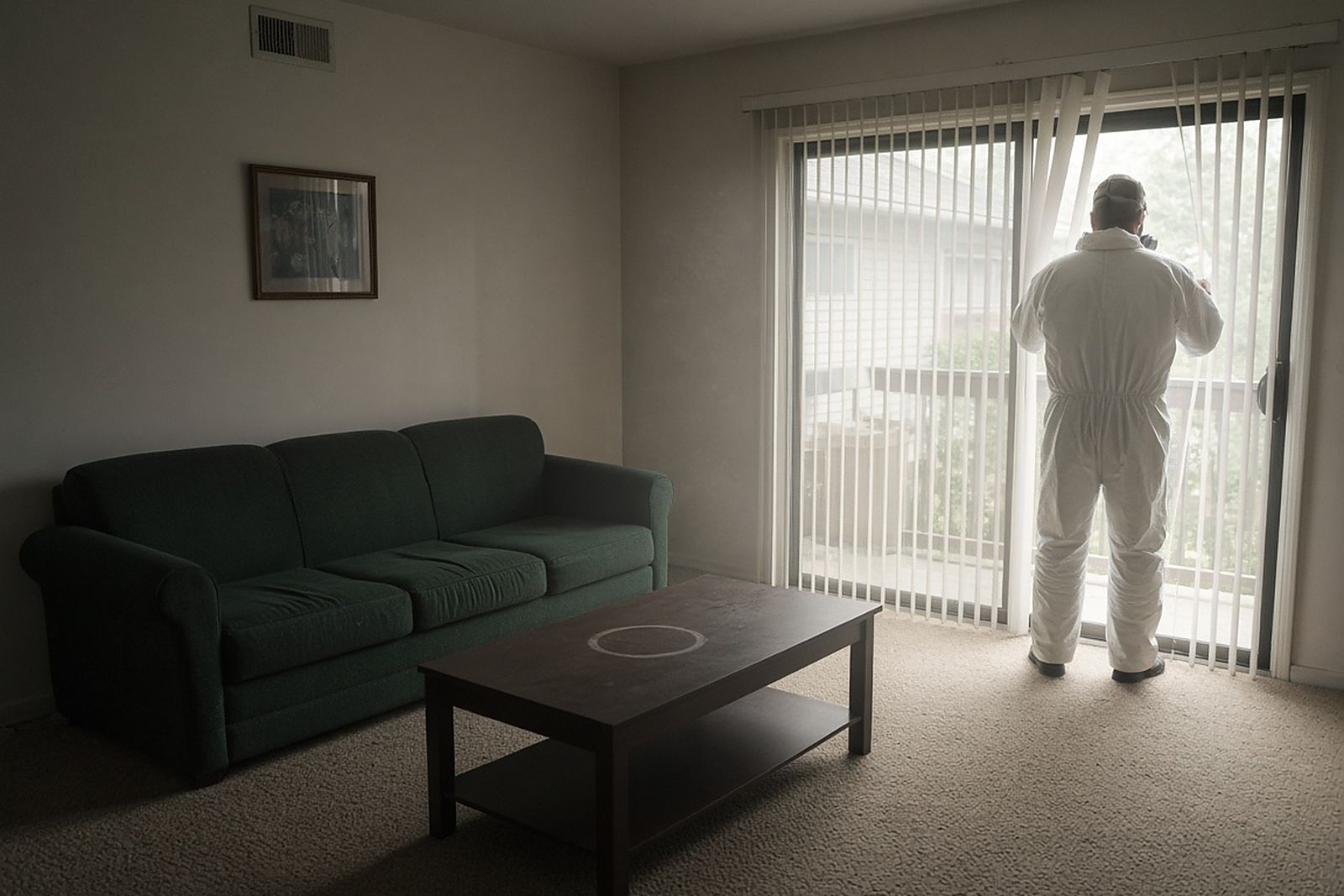
Maintenance staff are often the first people asked to go in, and they are rarely equipped for it. CS irritates skin as well as the lungs, so protecting the airway alone is not enough, which is why remediation crews use full-face respirators and chemical-resistant clothing.
If your staff have not been fit-tested and trained for that kind of protection, keep them out of affected spaces except for brief tasks like shutting off equipment from outside the zone. Their comfort is not a reliable test; people adapt to irritation and may underestimate exposure.
For neighboring tenants, ask whether they notice symptoms and whether their units share walls, ducts or a hallway with the affected space. Offer to include their units in the provider's assessment. A tenant who has asthma, a newborn or a respiratory condition may need temporary relocation even if their unit looks untouched.
What should a tear gas remediation scope include?
A strong scope reads like a plan, not a slogan. It tells you which spaces are included, in what order they will be cleaned and how the crew will decide what to keep. Ask each bidder to address these items in writing.
Once you have two or three bids, compare them line by line rather than by total. A lower number that leaves out duct work or soft goods is not a savings; it is a second project that shows up after tenants move back in. Ask each bidder to explain what would cause the price to change and how they will notify you before doing extra work.
- The agent they are planning for, such as CS powder or oily OC residue, and the cleaning chemistry they will use on each surface type.
- How they will prevent spread during work, such as sealing doorways and keeping HVAC off until ducts are addressed.
- HEPA vacuuming of ceilings, walls, floors and horizontal ledges before any wet cleaning.
- Treatment of soft goods, including carpet, pad, drapes, upholstered furniture, mattresses and tenant clothing, with a clean or discard recommendation for each category.
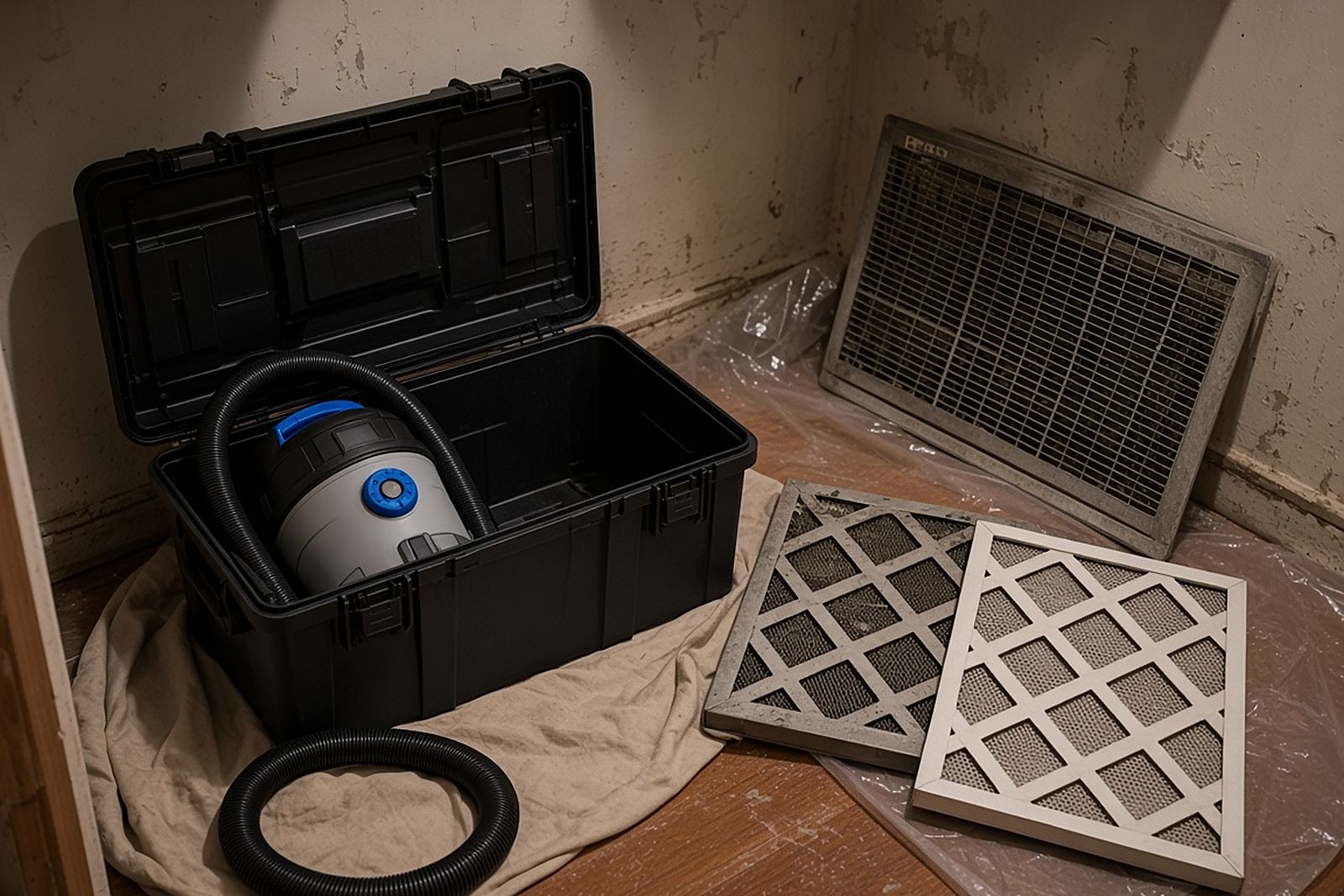
- Duct, register, filter and air handler work, with a statement of which duct runs are accessible.
- Handling of broken glazing, scorched finishes and any debris the agency left behind.
- The walkthrough and documentation they will provide when work is complete.
Who pays when police used the gas in a tenant's unit?
The answer depends on the lease, the owner's property policy, the tenant's renters coverage and the facts of the deployment. Building surfaces and systems generally belong to the owner, so the owner or the owner's carrier usually carries the structural cleaning decision. A tenant's clothing and furniture may be a matter for the tenant's policy.
Some jurisdictions offer a claims process for property damaged during police operations, and some do not. Compensation can be limited. In one case described by Westword in 2019, a 2015 SWAT standoff in Greenwood Village, Colorado used tear gas and explosives on an innocent family's home; the city offered only $5,000 toward the insurance deductible, and the courts denied anything more.
Rules vary by state and county; verify with the local authority and with counsel before you rely on any agency payment. In the meantime, get your owner's written approval for emergency steps, notify the carrier promptly and avoid promising a tenant any particular outcome.
What to tell tenants, and what to leave out
Residents want to know whether they are safe, how long the disruption will last and who to call. Answer those questions directly. Explain that a chemical irritant was used in a specific part of the building, that the area is closed while a professional crew cleans it and that anyone with symptoms should contact a medical provider.
Leave out speculation about why police were there or who was involved. Those details may be part of an ongoing case, and repeating them can expose you to liability and hurt people who were not at fault.
Give residents simple, practical guidance while they wait. Suggest keeping windows between their unit and the affected area closed, laundering clothing that smells peppery or stings in a separate load and reporting any irritation that returns when their heat or air conditioning runs.
Keep a log of every resident complaint, including the date, unit and symptoms described. The pattern often reveals which duct branch or hallway still holds residue, and it gives the provider a map for follow-up work.
Pepper spray in a shared lobby
Take an OC incident as an illustration. During a disturbance in the lobby of a four-story apartment building, officers use several bursts of OC spray. The people involved leave with police, and the lobby is released an hour later.
By evening, residents on the second floor complain that their hallway stings. The lobby shares a return air path with the corridor above, and the fan continued to run. A leasing agent who wiped the front desk with a damp cloth now has red, burning hands.
The manager locks out the corridor fan, closes the lobby with signage and routes residents through a side entrance. The manager asks the leasing agent to wash with soap and cool water and to seek care if the burning continues. The chosen provider HEPA vacuums the lobby and corridor, washes hard surfaces with a degreasing detergent suitable for oily residue, removes the lobby rug and cleans the return grille, the accessible duct section and the fan housing before the system is restarted.
Residents receive a short notice before and after the work. The manager files the scope, photographs and product list with the building record. The building is illustrative, but the lesson is real: the air path, not the spray pattern, often determines how big the job becomes.
Deciding a unit is ready for turnover
Readiness should rest on the provider's completion statement and your own walkthrough, not the calendar. Walk the space with the HVAC running normally after duct work is complete, touch and sit on remaining furniture, and open closets and cabinets. Any stinging, coughing or peppery smell means something was missed.
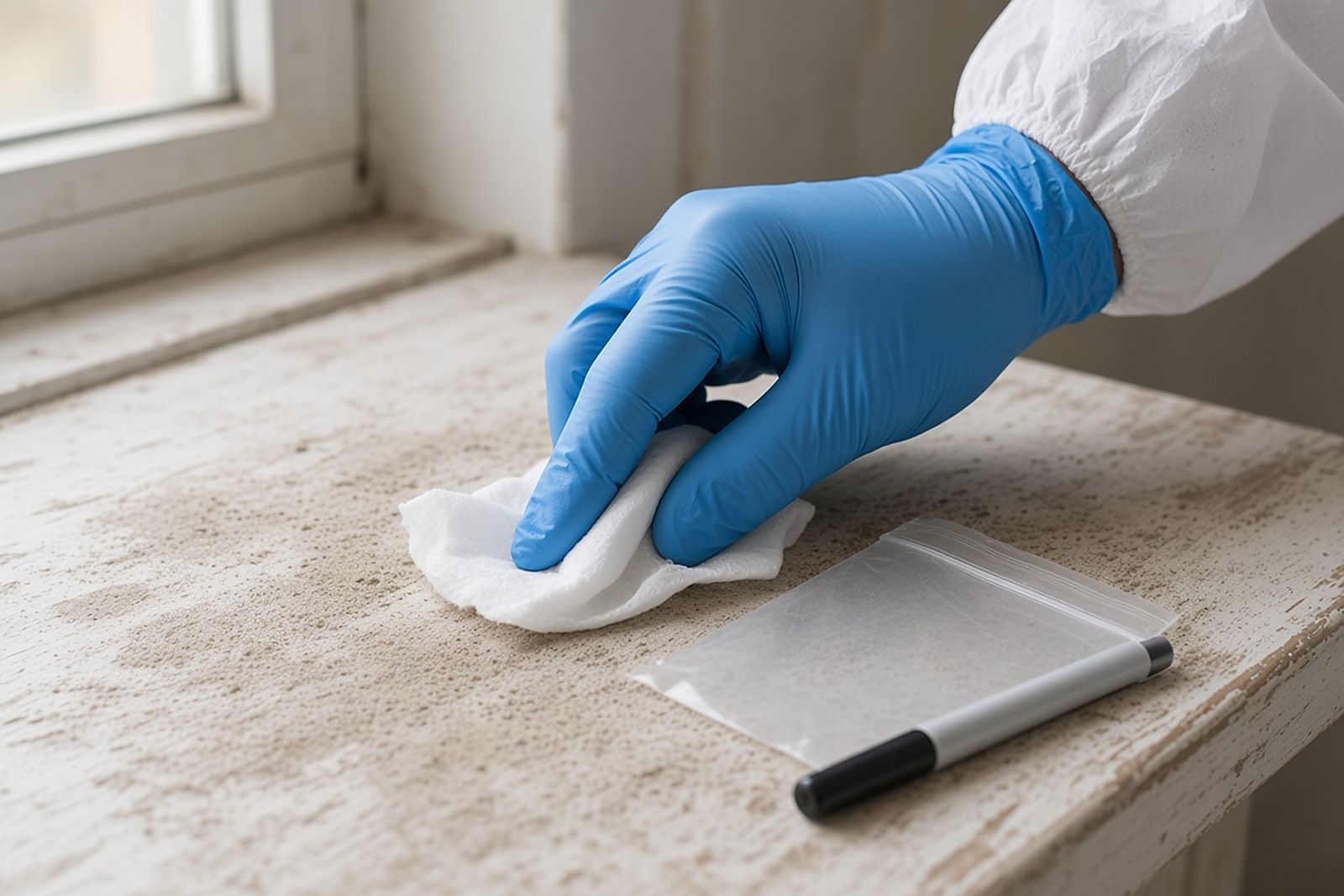
Ask the provider what their closeout package contains. Photographs, the list of products used, the soft goods inventory showing what was kept or discarded and a description of HVAC work are all useful. Some providers also offer surface sampling; ask what it measures and what it can and cannot tell you before paying for it.
Store the full record with the unit file. If a future tenant reports irritation, you can show what was done and bring the provider back to evaluate. A careful file also helps the next manager understand why certain finishes, carpets or duct sections are newer than the rest of the building.