Short answer
Red flags when hiring a tear gas residue cleanup company include a plan that relies on airing out, ozone or fogging alone, no questions about whether CS, OC or another agent was used, no plan for ductwork and soft goods, crews without respiratory protection, a quote given without an inspection, and no clear way to judge completion, such as a re-occupancy walkthrough or a callback if symptoms return.
Why tear gas residue cleanup is so easy to get wrong
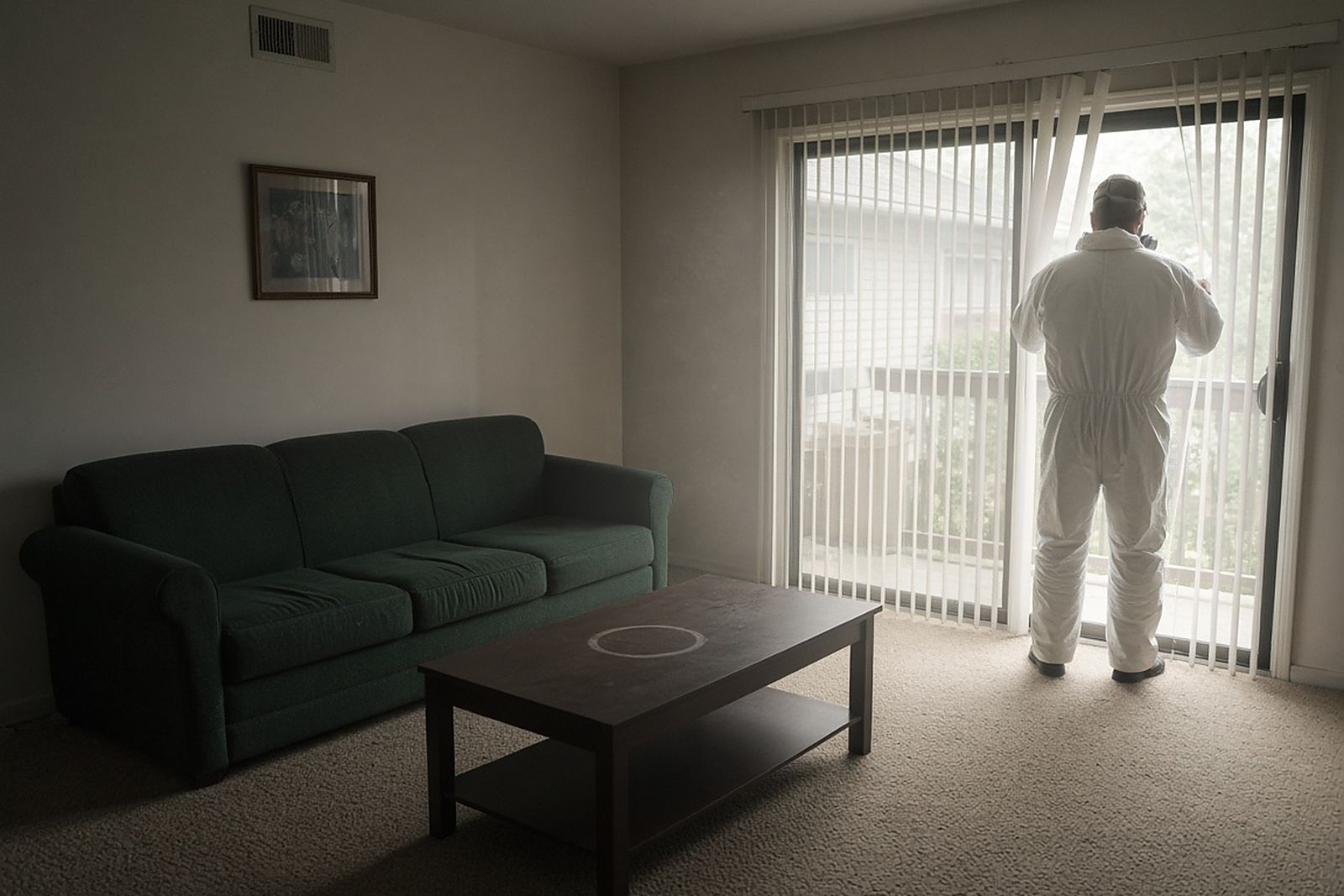
After a police standoff, a forced entry or a nearby protest, a building can look perfectly normal while still making people cough, tear up and itch. Riot-control agents are designed to irritate at very low concentrations. The fine powder or oily film they leave behind settles into carpet, upholstery, curtains, ceiling materials and the inside of heating and cooling systems.
Because the residue is often invisible, many contractors treat the job as ordinary cleaning. They vacuum, wipe a few surfaces, run fans and leave. Days later, the furnace kicks on or someone sits on the couch, and the burning starts again.
Choosing well starts with recognizing the promises and omissions that signal a contractor does not understand how these agents behave indoors. The warning signs below come up again and again.
You may also be dealing with broken windows, a damaged door and the emotional weight of having your home turned into a scene. It is normal to want the first company that answers to take over everything. A short pause to ask the right questions can save you from paying twice.
Red flag: nobody asks which agent was used
Several different compounds are commonly called tear gas. CS, the most widely used, disperses as fine crystalline particles. OC, the active ingredient in pepper spray, is an oil-based resin that clings to fabric and skin-contact surfaces. CN is an older agent that behaves in some ways like CS.
These agents respond differently to cleaning. CS is usually washed with mildly alkaline solutions that help break it down, while OC, on the other hand, is oily and may call for degreasing chemistry.
A qualified company will ask what was deployed, whether canisters or grenades were used indoors, how many, and in which rooms. If you do not know, they may suggest asking the responding agency or reviewing any incident paperwork you received. A contractor who never raises the question is likely planning a one-size-fits-all cleaning that may not match your building.
Red flag: airing out, ozone or fogging, and no duct plan
Ventilation is useful in the first hours after deployment, and it protects people entering the space. It is not a cleanup method. Opening windows removes what is floating in the air at that moment but does nothing to the residue that has already settled.
Be cautious of any contractor whose main tool is an ozone generator or a fogger. Those devices can change odors and may have a limited supporting role, but they do not physically remove crystalline or oily residue from fibers and surfaces. Ozone can also damage rubber, some plastics and certain fabrics, and it must not be used while people or pets are present.
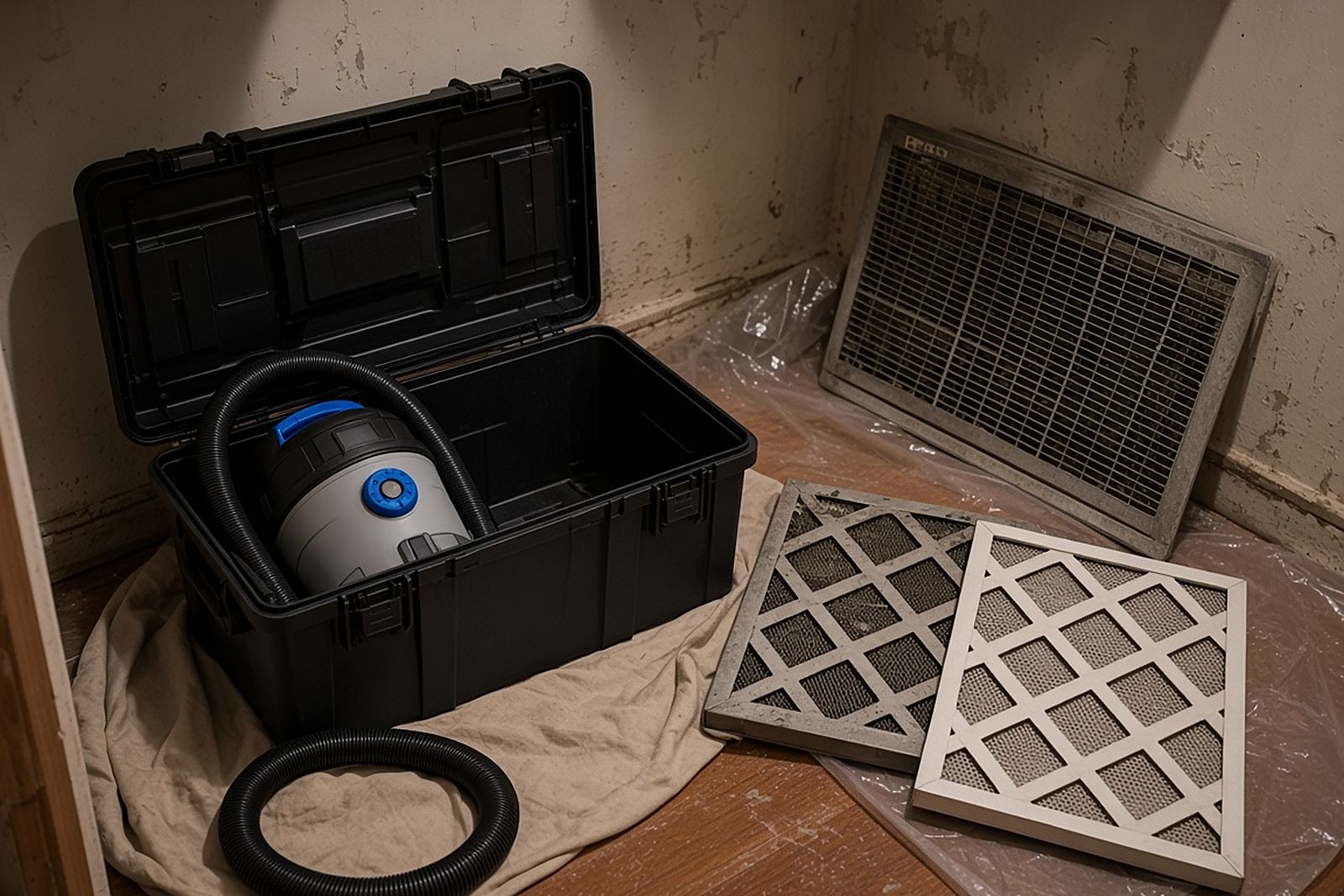
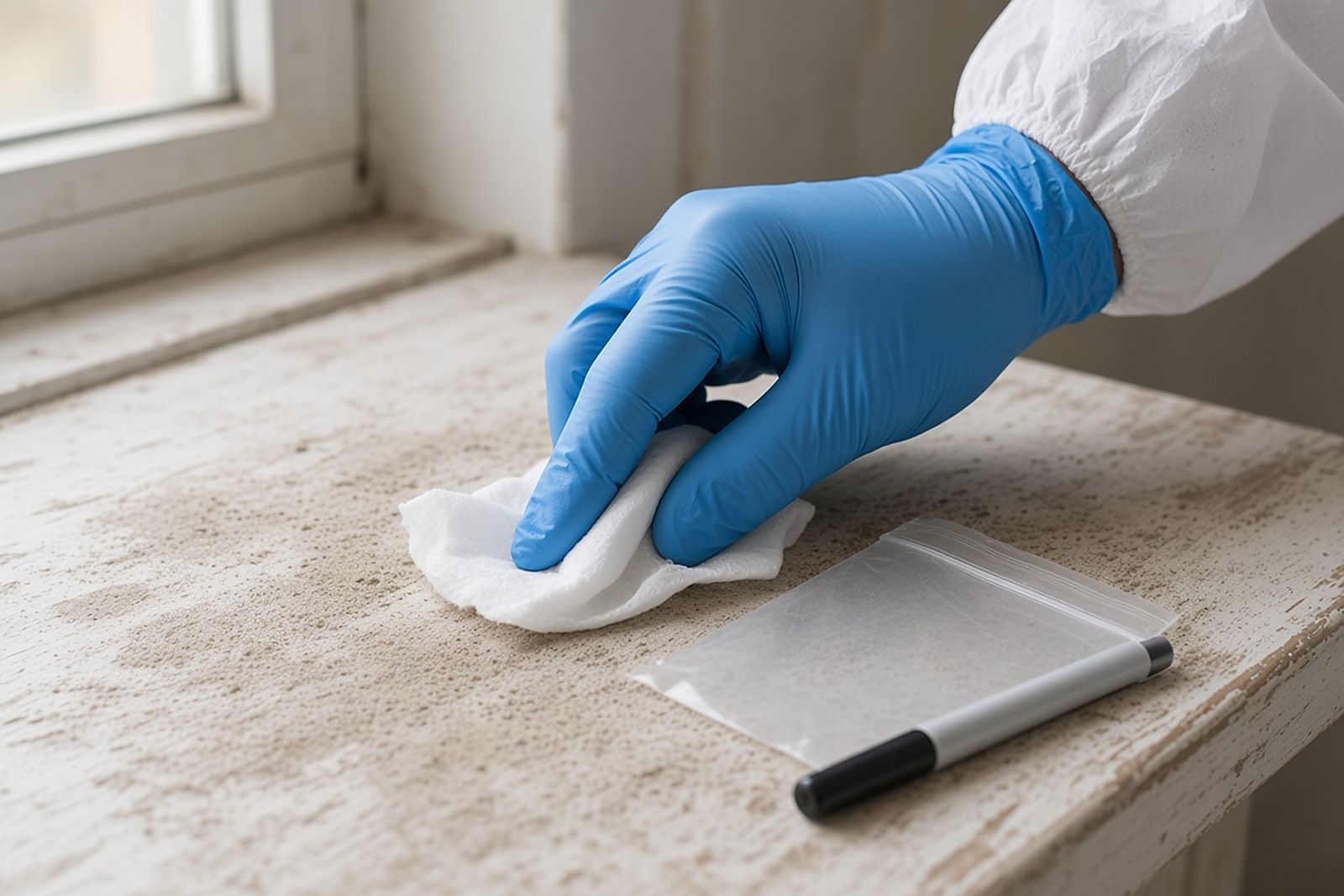
A real plan includes physical removal: HEPA vacuuming, surface washing with appropriate chemistry, decisions about which soft goods can be cleaned and which must be discarded, and attention to places residue hides. If those steps are missing, the plan is incomplete.
Also be skeptical of a contractor who recommends washing every fabric item at home in a standard machine. Heavily exposed clothing and linens can spread residue into the washer and onto other laundry, and a careful company will explain how it handles or advises on those items.
The HVAC system is one of the most common reasons tear gas problems come back. When canisters are deployed indoors, the air handler may pull contaminated air through returns and push it through supply ducts to rooms that were never directly exposed. Residue collects on filters, coils and duct interiors.
A contractor who proposes to clean the rooms but not the air system is setting you up for recurring symptoms. Ask specifically whether the plan includes replacing filters, cleaning registers, and inspecting or cleaning ducts and the air handler. Ask whether that work will be done by the same crew or by a separate duct contractor, and how the two will coordinate.
If the contractor says the system can simply be run on high for a few days to clear it out, that is a strong warning sign. Running the system spreads residue further.
Red flag: safety shortcuts, phone quotes and thin paperwork
The people cleaning your home will be disturbing residue on purpose. Federal exposure limits for CS are set very low, which is why respiratory, eye and skin protection matter for crews.
A company whose workers show up in street clothes and dust masks, or who say protection is not really needed once the gas has cleared, is not taking the hazard seriously. That attitude tends to carry over into the rest of the work.
Ask what respirators, eye protection and protective clothing the crew will wear, how they will keep residue from spreading to unaffected rooms, and how they will handle contaminated waste. Clear answers show a company has done this before.
Good crews also think about the people who are not in the room. They should explain how they will protect neighbors in a shared building and keep contaminated debris from being tracked into hallways.
Tear gas cleanups vary widely in scope. One canister in a single room is a different job from several deployed through a multi-story home with a shared air system. A reliable estimate usually depends on a walkthrough.
Watch for these issues before you sign:
- A firm total given over the phone before anyone has seen the building or asked about the HVAC system.
- No itemization separating surface cleaning, soft-goods handling, HVAC work and disposal.
- No written list of which items will be cleaned, which will be discarded and who decides.
- A claim that the city or police department will definitely pay, made before anyone has confirmed it.
- Demands for full payment before work begins, or payment only in cash.
- No description of how completion will be judged or what happens if symptoms return.
Two quotes for the same house
Here is a composite of a choice many families face. A police tactical team deploys several CS canisters into a house during a standoff involving a person who does not live there. The homeowners return the next day to a building that looks mostly intact but makes their eyes stream within minutes.
The first company they call proposes to open all the windows, run an ozone machine for two days, vacuum the carpet and shampoo the couches. The representative does not ask what agent was used and says the furnace should be run on high to flush it out.
The second company asks which rooms were hit, how many canisters were deployed, and whether the furnace was running at the time. It proposes HEPA vacuuming, alkaline surface washing, removal of heavily exposed soft goods after reviewing them with the family, filter replacement and duct cleaning, and a walkthrough with the family before re-occupancy. It also offers to return if irritation recurs within an agreed period.
The second approach costs more up front. It is also the only one designed around how CS actually behaves in a house.
Before you sign: how will the work be judged complete?
There is no single laboratory clearance test that every tear gas job uses, which makes it important to agree in advance on how the work will be judged complete. That might include a documented walkthrough, a symptom check by the people who will live or work there, and photographs of cleaned areas.
Ask what happens if eye or throat irritation returns after the family moves back in. A confident company will usually describe a process for returning, identifying missed areas and addressing them. A company that refuses to discuss the possibility, or that says any return visit will be billed at full price regardless of cause, may not be confident in its methods.
Ask, too, what documentation you will receive. Photos, a scope of work, a list of discarded items and receipts for disposal can all help with insurance or claims against a responsible party.
Collect at least two estimates from companies that have inspected the building. Compare them on process, not just price: agent identification, removal methods, HVAC plan, soft-goods decisions, safety equipment and completion criteria.
Keep a record of the damage and the cleanup, including photos, receipts and any incident report number from the responding agency. Whether you can recover costs depends on your insurance policy, local law and the circumstances of the deployment, and outcomes vary widely. Ask your insurer, and the responding agency's claims office, what each will need from you.
If anyone in the home has ongoing breathing problems, eye pain or skin irritation, talk with a health professional. Cleanup and medical care are separate needs, and both matter.