Short answer
Environmental responsibility in tear gas residue cleanup means capturing particles with HEPA equipment instead of blowing them outdoors, collecting wash water rather than hosing it into storm drains, choosing cleaning chemistry that breaks the agent down without excess, salvaging soft goods that can truly be cleaned and handling spent munitions and contaminated debris through proper channels. Protecting occupants still comes first.
Why the environment matters after a deployment
Most people think of tear gas cleanup as an indoor problem, and it mostly is. But the methods used to remove residue can push it outdoors. Blowing a room out with fans, pressure washing a porch into the street or throwing contaminated items into an open dumpster can move irritants into yards, gutters, storm drains and neighboring properties.
Outdoors, the agent usually disperses and breaks down more readily than it does indoors. That does not make careless disposal harmless. Neighbors, pets and sanitation workers can still be exposed, and wash water carrying detergents and residue can reach waterways through storm systems that are not treated.
A responsible cleanup treats the building as the place where residue should be captured and removed, not simply relocated.
Capture particles instead of blowing them outside
After a deployment, a common instinct is to open every window and run box fans to push the air out. That removes some airborne agent, but it also lifts settled particles from surfaces and sends them onto porches, cars and neighboring windows. Settled residue in carpet, upholstery and ducts stays behind regardless.
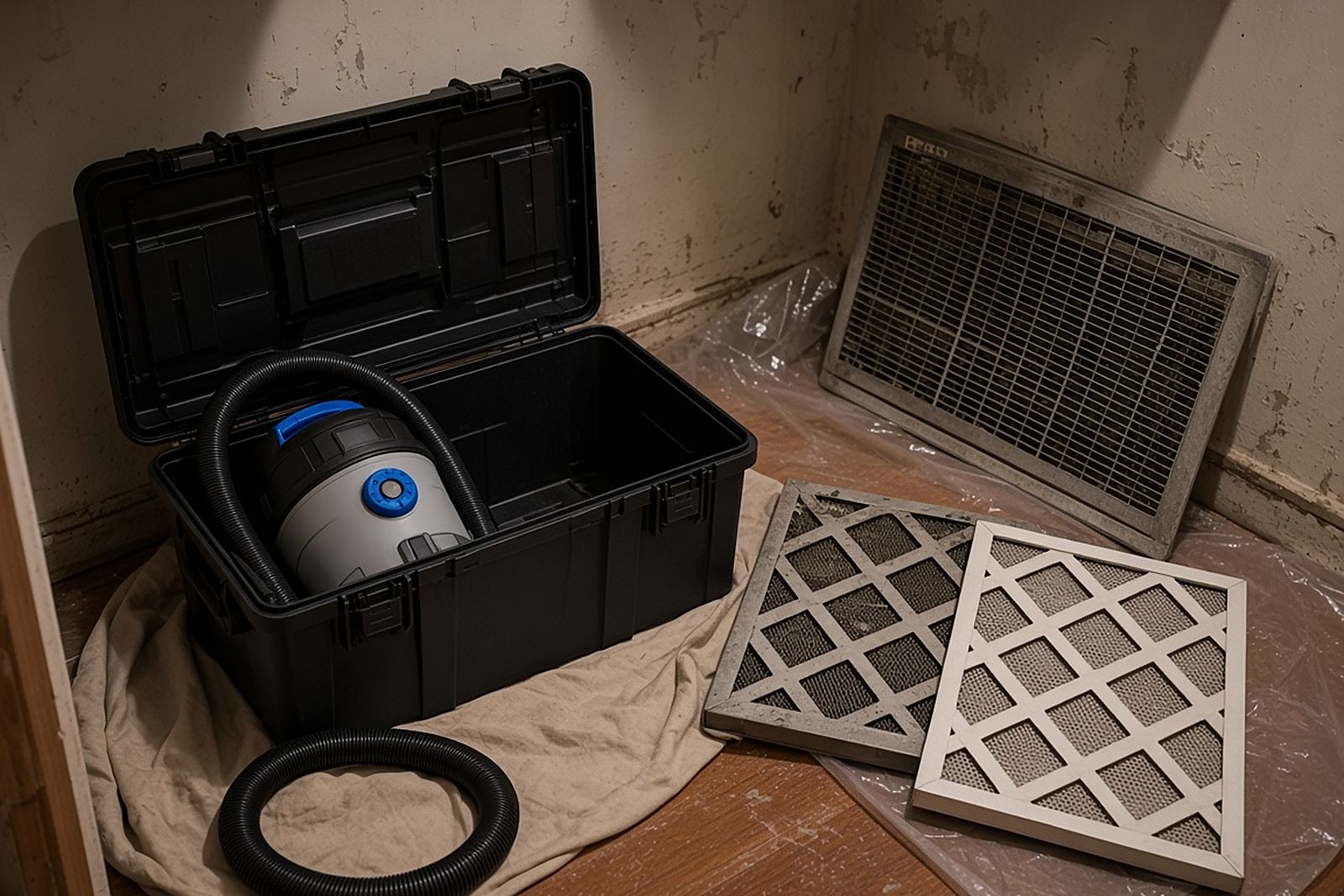
Professional crews typically use HEPA vacuums and, in some cases, HEPA air filtration units that pull air through a filter before releasing it. Those tools capture fine particles instead of spreading them. The filters and vacuum contents are then bagged and disposed of as contaminated debris.
Controlled ventilation still has a place, especially for occupant comfort after most residue has been removed. The difference is sequence: capture first, then ventilate, rather than ventilate and hope.
There is also a neighborly dimension. In attached housing, row homes and apartment buildings, an open window on one side of a wall may sit a few feet from a neighbor's intake vent or bedroom window. Asking the crew to plan ventilation with neighbors in mind avoids turning your cleanup into their exposure.
How should cleaning chemistry be chosen and used?
CS has a helpful chemical property. The National Research Council's 2014 review of the agent describes it breaking down through hydrolysis far faster in alkaline conditions than in neutral water. That means a mildly alkaline solution does much of the work, which lets a crew use milder, targeted chemistry instead of aggressive products or repeated heavy washing.
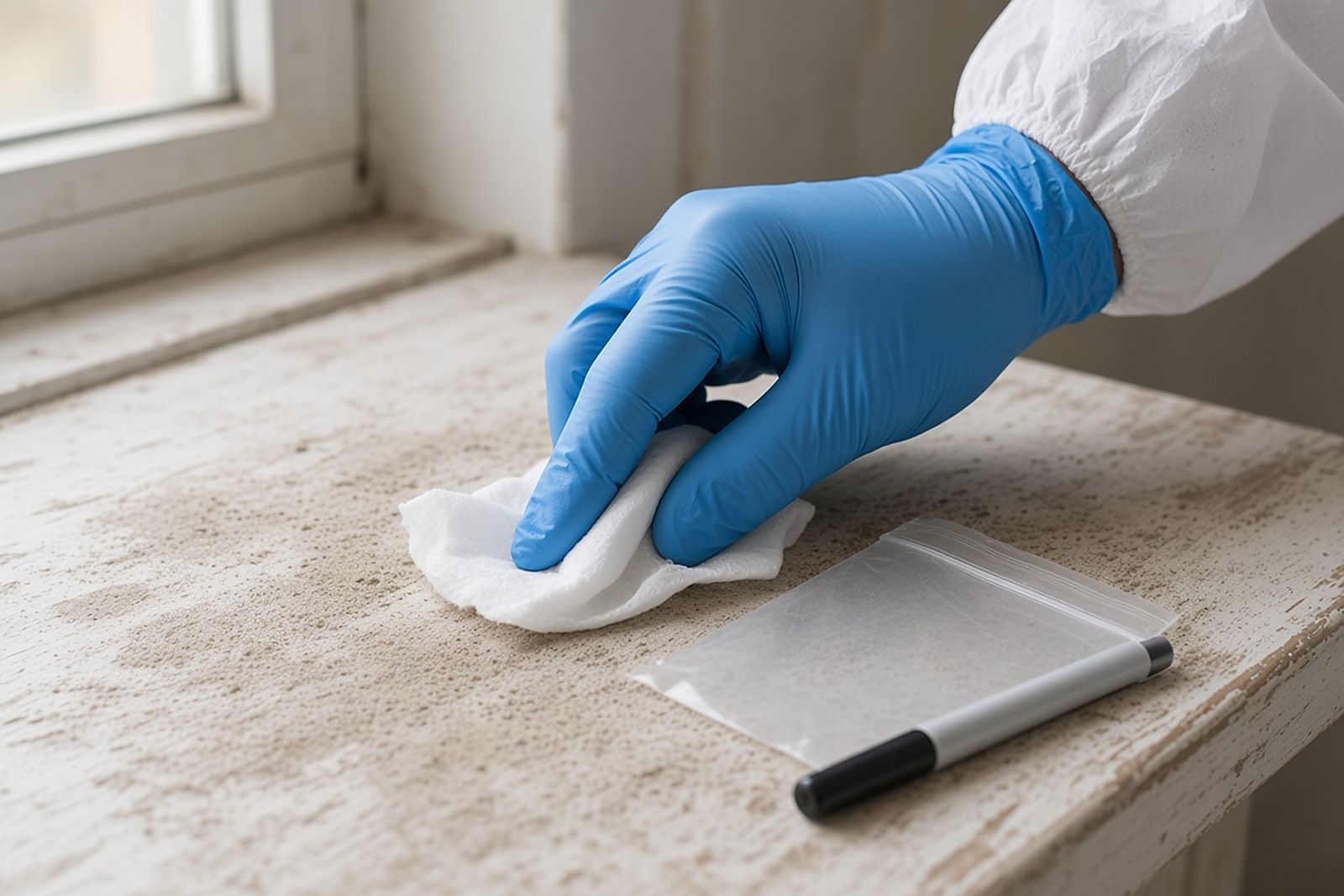
OC is different. Its residue is oily, so it needs a detergent that can lift and emulsify oil. Solvents may work on some surfaces, but many carry their own health and environmental concerns. A careful provider uses the least aggressive product that works, tests it on an inconspicuous spot and avoids mixing chemicals.
Using more product than necessary does not help. It increases rinse water, leaves residues on surfaces and exposes workers to more chemicals. Measured dilution and wipe-on, wipe-off application usually give a better result with a smaller footprint.
Chemistry choices also affect what ends up in the wash water. A provider who relies on a simple, well-understood alkaline solution and a mild detergent produces rinse water that is easier to manage than one who layers several strong products on the same surface.
Where should wash water and rinse water go?
This is one of the most important environmental questions on a tear gas job. Water used to wash walls, floors, windows and exterior surfaces carries dissolved and suspended agent along with detergent. It should not be swept or hosed into a storm drain, a garden bed or a neighbor's yard.
Indoors, crews usually collect wash water with wet vacuums, mops wrung into buckets or absorbent pads. Outdoors, when a porch, entry or storefront needs washing, they may block nearby drains and collect runoff rather than letting it flow into the street.
Where collected water goes depends on local rules. Some may be allowed into a sanitary sewer; some may need to be solidified or handled another way. Your sewer utility or public works department can tell you what is allowed, and your provider should have that answer before the first bucket is filled.
Exterior pressure washing deserves special caution. High pressure can drive residue into porous masonry and wood, create a fine mist that drifts, and generate a large volume of runoff quickly. Low-pressure washing with collection is slower but keeps the problem contained.
Saving soft goods to reduce landfill waste
More soft goods can be saved than people expect. Clothing, towels, sheets and washable curtains often respond to repeated laundering in separate loads, with care taken not to mix them with unaffected items. Professional textile cleaners may handle delicate items. Saving those goods reduces landfill waste and spares you replacement costs.
Other items are harder. Mattresses, foam cushions, wall-to-wall carpet pad and heavily exposed upholstered furniture can trap residue deep inside. If an item keeps causing irritation after reasonable cleaning, disposal is usually the responsible choice for your health.
A good provider sorts items by realistic salvage potential rather than defaulting to discard everything. The written list of what was cleaned, what was laundered and what was discarded also helps your insurer understand the decisions.
- Often salvageable: washable clothing and linens, hard furniture, dishes, sealed electronics exteriors, hard toys.
- Sometimes salvageable: rugs and upholstered pieces with light exposure, professional-clean textiles, curtains.
- Often discarded: exposed open food, cosmetics and medications, mattresses and foam near landing points, heavily exposed carpet pad.
Spent munitions and contaminated debris
Canisters, projectiles and their fragments belong to the agency that deployed them. In most cases, officers collect them before releasing the property. If you or your provider find anything that looks like a munition afterward, do not handle it. Contact the agency and ask them to retrieve it.
Contaminated debris is a different matter. Used HEPA filters, vacuum bags, wipes, protective suits, discarded soft goods and damaged building materials should be bagged at the point of removal to prevent residue from escaping, then disposed of according to local rules. Some jurisdictions treat certain debris differently from household trash.
Bagging and sealing matter because loose contaminated items can re-expose people later. A mattress dragged uncovered through a hallway and dropped in an open dumpster can irritate everyone who passes it, including sanitation crews.
Ask your provider how long bagged debris will sit on site before pickup and where it will be staged. A sealed container in a garage or behind a locked gate is far better than a pile of bags at the curb where children or animals can reach them.
A porch, a yard and a storm drain
Consider how this plays out at one illustrative property. After a standoff, a house has CS residue inside and on its front porch, where several canisters landed and burned. A well-meaning relative starts to hose the porch down, and the runoff heads toward the curb and a storm drain at the corner.
The provider arrives and asks the relative to stop. The crew places a drain cover over the storm inlet and berms the edge of the porch with absorbent material. They HEPA vacuum the porch, then wash it with a mildly alkaline solution and collect the runoff with a wet vacuum. Scorched areas on the decking are scrubbed; a badly burned doormat is bagged for disposal.
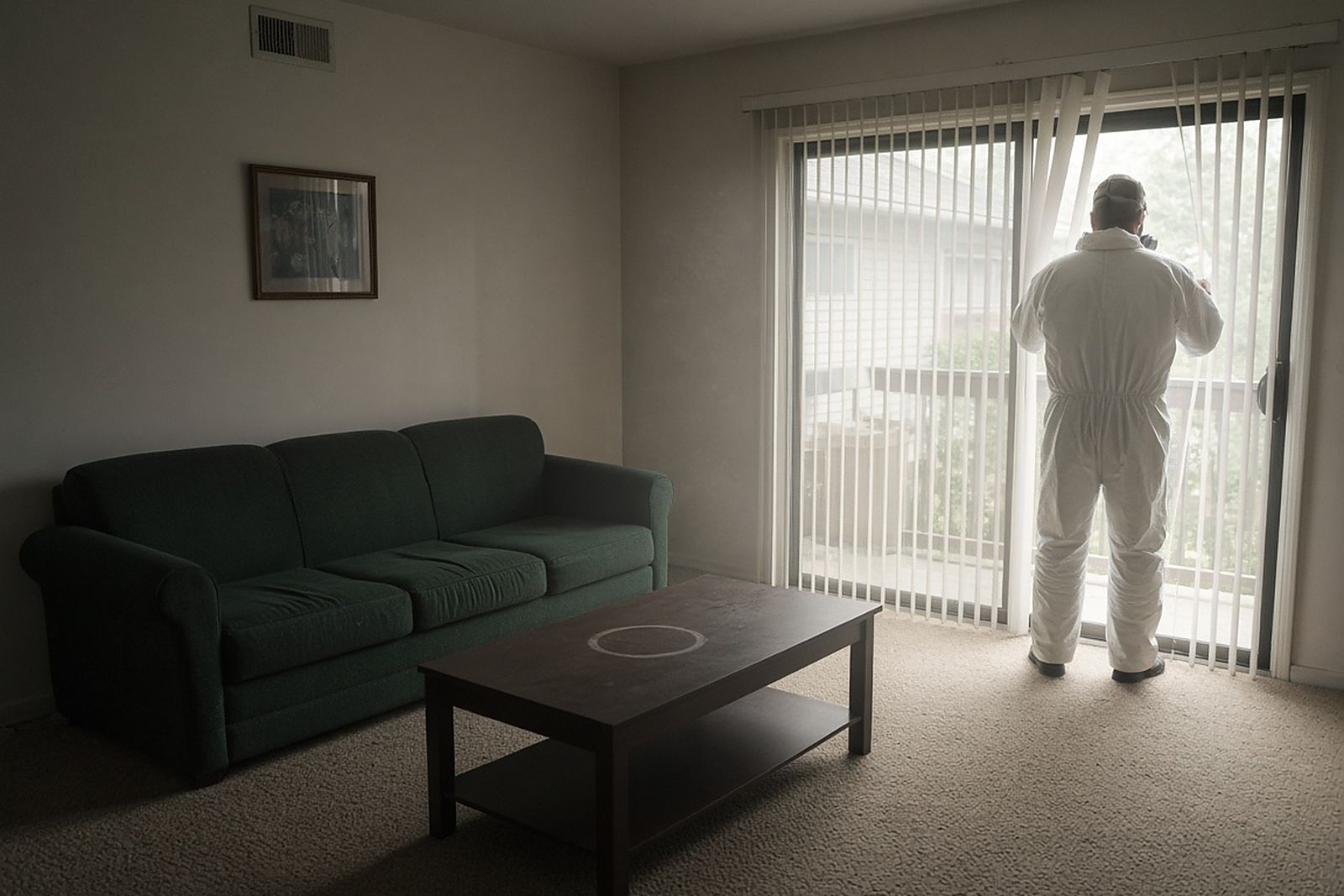
Inside, the crew seals the front rooms, HEPA vacuums from ceiling to floor and cleans surfaces with collected wash water rather than rinsing into the floor drain in the basement. Clothing is sent for separate laundering, a foam sofa is bagged and removed and the vacuum contents and used filters are sealed in heavy bags.
The result is a house that no longer irritates its occupants and a neighborhood that did not absorb the runoff. The property is illustrative, but the steps reflect sound practice.
When the environment and people's health conflict
Conflicts are occasional, and when they arise, the health of occupants and workers comes first. If a heavily exposed item cannot be cleaned enough to stop causing irritation, it should be removed even if that adds to landfill volume. If a stronger cleaning approach is truly needed for stubborn residue on a durable surface, it may be justified with proper protection and ventilation.
Leaving irritants behind to save a few bags of waste is not a trade worth making. The goal is to make environmental choices that support a thorough cleanup, not to trade thoroughness for a smaller footprint.
Questions that show whether a crew works cleanly beyond your walls
Consider asking how they will capture airborne and settled particles, whether they use HEPA equipment, what cleaning chemistry they plan for CS versus OC, how they will collect and dispose of wash water, how they will sort soft goods and how contaminated debris will be packaged and removed.
A provider with good practices will answer without hesitation and will probably mention steps you had not thought about. That level of detail is usually a sign of a team that treats both your home and your neighborhood with care.