Short answer
It depends on your policy and on how the carrier classifies the event. Some insurers review tear gas damage under vandalism, civil authority or other provisions, while others point to exclusions for government action or pollutants. A separate claim against the city or agency may also be possible. Report quickly, keep the residue documented, and request every coverage decision in writing.
Why tear gas damage is hard to classify
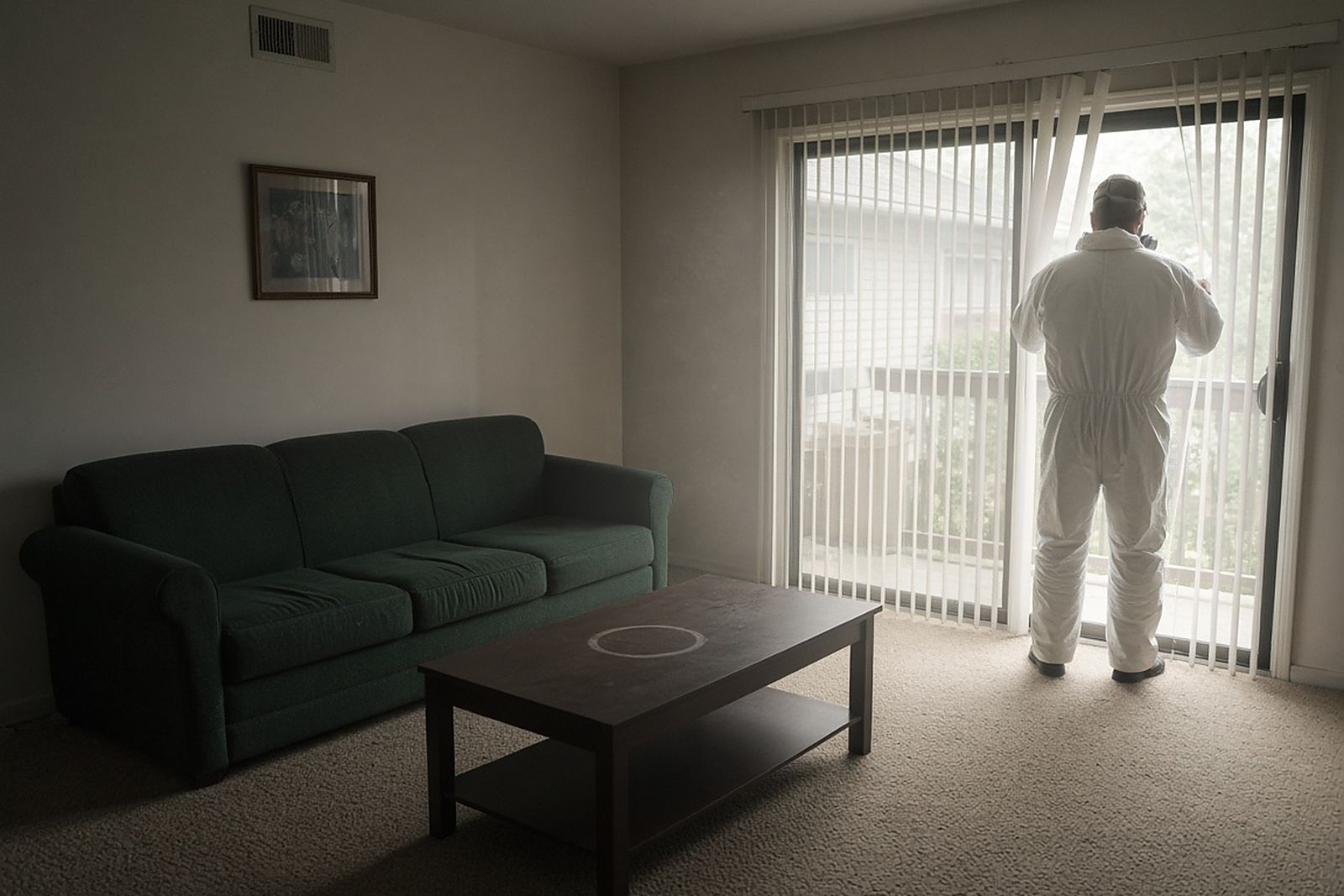
Tear gas usually enters a home through a police action, such as a standoff, a warrant service or a protest that spills into a neighborhood. The damage is real, but it does not look like a typical homeowners claim.
Residue from CS or OC agents coats surfaces, soaks into fabrics and gets pulled into the heating and cooling system. There may be broken windows or doors from the deployment itself, and there is often a lingering irritant that makes the house uncomfortable or unlivable.
Insurers look at the cause first. A policy may treat the event as damage caused by others, as a government action, or as a release of an irritant chemical. Each reading leads to different language in your policy, and the answer can differ between carriers even when the facts are the same.
Your job is not to argue the classification on the first call. It is to report the event clearly, describe what was damaged and ask which provisions the adjuster is reviewing.
The parts of the loss an insurer may review
It helps to break the damage into separate pieces. Carriers often decide each piece independently, so a partial answer is common.
- Physical damage to the structure, such as broken windows, doors, drywall or ceilings from canisters or forced entry.
- Residue on hard surfaces, such as floors, cabinets, counters and walls.
- Soft goods that absorbed the agent, including mattresses, upholstery, curtains, clothing and carpet.
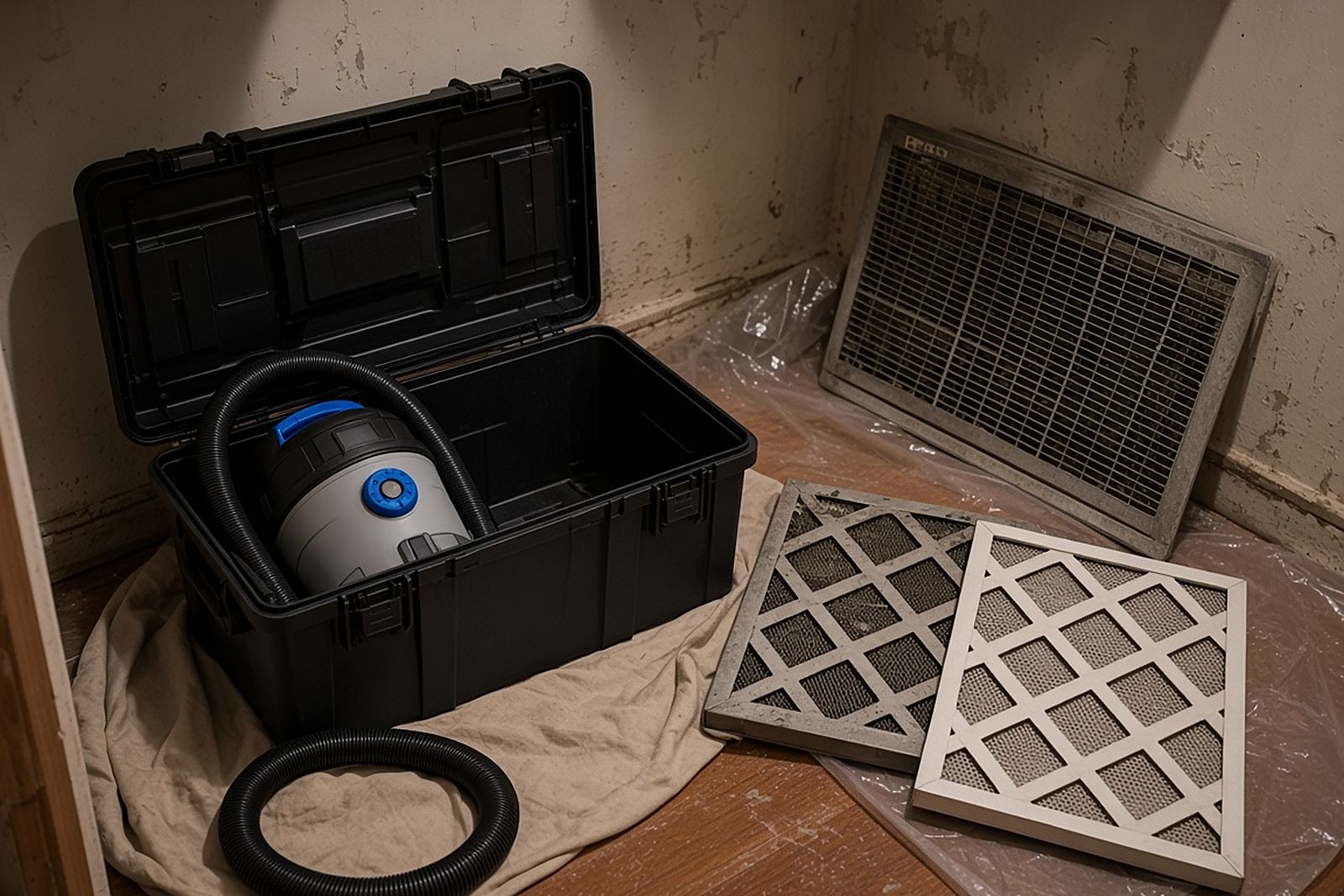
- HVAC components, including filters, returns, the blower and accessible ductwork.
- Additional living expenses if the household cannot stay in the home while it is cleaned.
- Food, medications and personal care items that may have been exposed.
What about going to the city or the police agency instead?
When a government agency caused the damage, some owners pursue a claim against that agency in addition to, or instead of, their own insurance. Many jurisdictions require a written notice of claim within a set window, and the deadlines can be short. Rules vary by state and county; verify with the local authority, and consider speaking with an attorney early.
Results from these claims vary widely. Westword reported in 2019 that after a 2015 SWAT standoff in Greenwood Village, Colorado used tear gas and explosives on an innocent family's home, the city offered only $5,000 toward the insurance deductible, and courts denied further compensation. That is one case, not a rule, but it shows why you should not count on the agency to cover the whole loss.
If you file with both your insurer and the agency, tell each one about the other. Insurers may have rights to pursue the agency after paying you, and clear communication prevents confusion later.
Why the type of agent matters to the claim
CS and OC behave differently inside a building, and that affects the cleaning plan and the cost. CS tends to settle as a fine powder that can be stirred back into the air by foot traffic, humidity and airflow. OC leaves an oily film that clings to fabrics and surfaces.
Chemistry matters as well, because the products that break down CS powder are not the ones that lift OC oil. A provider who understands that difference can explain why they chose particular cleaning products, which makes the invoice easier for an adjuster to accept.
If you can, ask the responding agency which agent was used and how many canisters were deployed inside. Put the answer, or the lack of one, in your claim notes.
When the residue came from next door
Not every claimant was the target of the deployment. In a duplex, townhouse or apartment building, CS canisters fired into one unit can drift through a shared attic, wall penetrations and connected ductwork into a neighbor's home.
Those households often notice the problem only when they return and feel burning eyes and throat irritation whenever the furnace runs. The steps are the same as for the target unit: photograph the rooms, keep the doors closed, leave the system off and call the insurer.
A tear gas residue provider should inspect both the living space and the HVAC system. Residue in the return plenum, a crib mattress or upholstered pieces that need replacement, and a report listing each removed item, the products used and the areas treated all belong in the file.
Carriers sometimes accept additional living expenses and part of the cleaning but question the HVAC work. Photographs of filter loading and residue inside the plenum are the kind of evidence that can bring an adjuster back to that decision, though no outcome is guaranteed for any claim.
Documentation that makes a tear gas claim stronger
Residue is often hard to see in photographs, so documentation needs to capture both the visible damage and the evidence of lingering contamination.
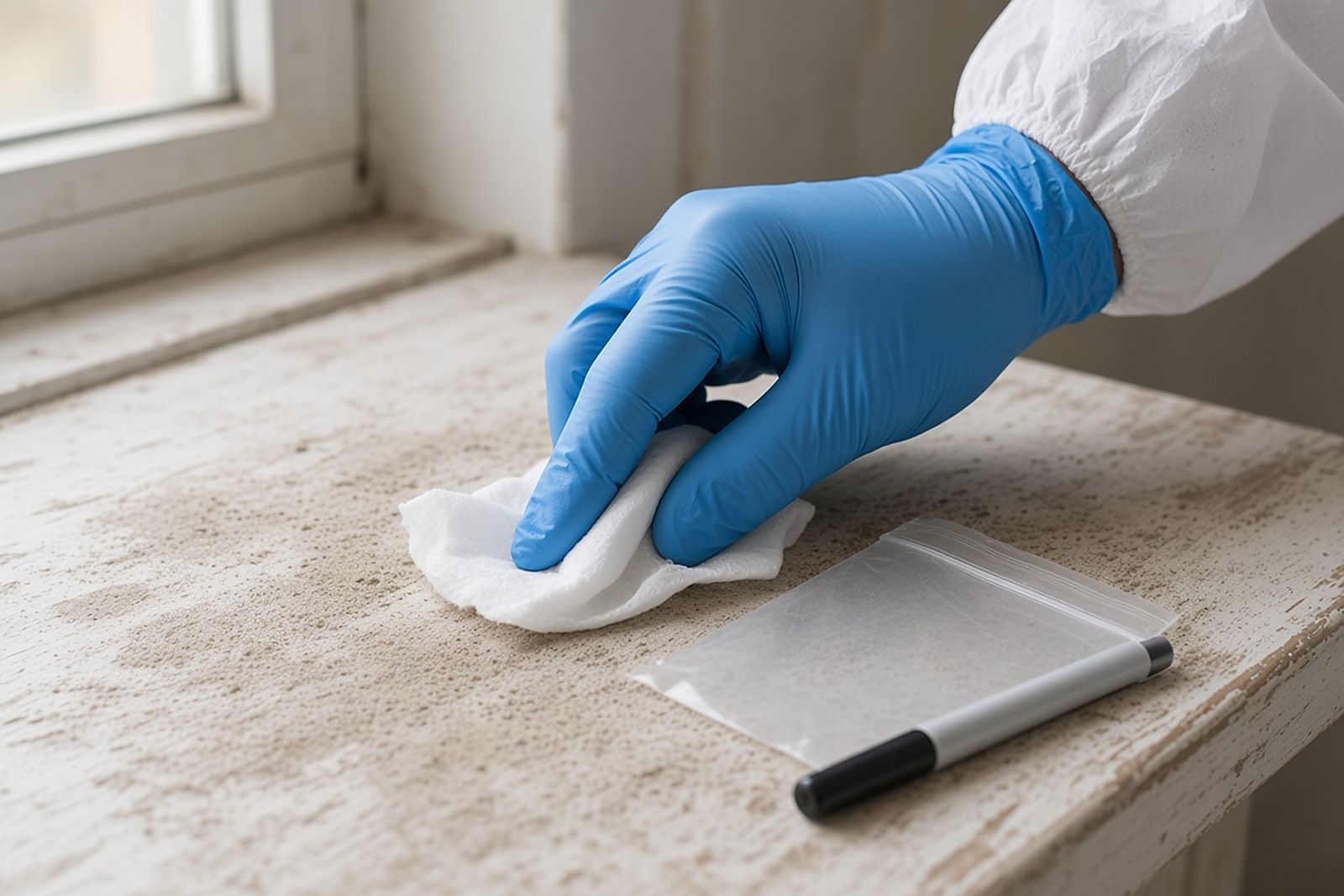
Start with wide shots of each room, close-ups of canister impacts, powder on window sills and surfaces, and any broken fixtures. Keep a written log of symptoms experienced when occupants re-entered, with dates and the rooms involved. That log is not a medical record, but it shows the adjuster why the house was not usable.
Ask your provider to document which items they cleaned, which they recommended discarding and why. Filter photographs before and after replacement are useful, as are notes about which ducts were inspected.
Keep receipts for hotel stays, meals and replacement clothing. If a doctor treated anyone in the household for exposure, keep those records private but available in case the carrier or agency requests them.
Five things to avoid before the adjuster visits
It is natural to want the house back to normal, but some quick fixes create problems for the claim and for your health.
- Running the HVAC system to air things out, which can spread residue into ducts and other rooms.
- Washing contaminated clothing with household laundry, which can transfer residue to other items and the machine.
- Throwing out furniture or bedding before it is photographed and listed.
- Painting over walls or ceilings without cleaning, which can trap residue that later reactivates.
- Signing a contract that assigns your claim rights without reading it closely.
What if the insurer points to an exclusion?
Ask for the denial in writing, including the specific language relied on. Read it alongside your full policy, including endorsements, and note any facts the adjuster may have misunderstood, such as whether the household had any connection to the police action.
If you still disagree, your state insurance department can explain the complaint process. An attorney or public adjuster may also be able to help, especially if an agency claim is running in parallel. Watch any deadlines closely, because notice periods for claims against a government can run separately from your insurance timeline.
Partial approvals and misunderstandings
Sometimes a denial rests on a misunderstanding about the residue rather than the policy. An adjuster who has never handled a chemical irritant claim may assume the house can simply be aired out. A short written explanation from your provider, describing where residue was found and why it keeps reactivating, can change how the file is read.
Partial approvals deserve the same attention as denials. If the carrier pays for hard-surface cleaning but not for soft goods or ductwork, ask what additional evidence it would need to reconsider those items, and whether an independent assessment would be accepted.
First steps for this week
Keep people and pets out of the home until it is safe to be there. Report the event to your insurer and ask which provisions it is reviewing. Ask the agency for an incident or report number and learn its claim deadline.
Then arrange a residue assessment that covers both the living space and the HVAC system, keep every receipt, and request a written decision on each part of the claim.
If you rent, notify your landlord in writing on the same day you call your own renters insurer. The landlord's policy generally concerns the building and its systems, while yours concerns your belongings and possibly your temporary housing. Coordinating early keeps the two carriers from waiting on each other.
Finally, look after yourself and your household. Being on the receiving end of a police deployment, even as a bystander, can be frightening. Talking with a doctor about lingering symptoms, or with a counselor about the stress, is a reasonable part of recovery and not a sign of weakness.