Short answer
After a light, localized exposure, such as drifting agent near a window, careful DIY cleaning of hard surfaces may be reasonable with gloves, eye protection and the right methods. Professional tear gas residue cleanup is the safer choice when canisters were deployed inside, when the HVAC system ran, when soft goods absorbed agent or when anyone in the household has breathing problems.
Can you clean tear gas residue out of your home yourself?
It depends on how much agent entered the building and where it went. If a small amount drifted in through an open window during a nearby protest, and it settled on a sill and a nearby floor, a careful homeowner can often clean it with the right precautions.
When canisters were fired into the building, when the heating or cooling system ran during or after the event, or when agent reached bedding, carpet and upholstered furniture, the job becomes much harder. Those situations involve higher concentrations, hidden reservoirs and a real risk of making things worse with the wrong methods.
The key is honest assessment. If walking into a room still makes your eyes sting and your throat burn, the residue level is high enough that professional help is worth serious consideration.
Timing matters as well. Residue near an open window after a street protest is very different from residue in a home that was the target of a police operation. The second situation often involves multiple canisters, broken glass, forced entry and agent in nearly every room. Treat it as a professional job from the start.
Why DIY is harder than it looks
Tear gas residue is designed to irritate at very low levels. The common agents are CS and CN, which are fine powders, and OC, an oily pepper extract. These materials cling to surfaces, work their way into fibers and can be stirred back into the air by ordinary household activities.
Many standard cleaning habits backfire. Sweeping, dusting with a dry cloth and using a regular vacuum all launch fine particles into the air. Running fans or the HVAC system spreads residue into other rooms. Hot water on heavily contaminated fabrics can increase irritation while you handle them. Plain water on OC tends to spread the oil rather than remove it.
The irritation itself is not trivial. NIOSH documentation from 1994 notes that CS exposures above 14 mg/m³ for one hour produced extreme irritation, redness and blistering of volunteers' skin. Household residue is usually far lower than that, but the finding is a reminder to protect your skin during cleanup.
Your laundry machine is another trap. Tossing contaminated clothing in with the rest of the household wash can spread residue to clean items and leave a film inside the drum. If you launder exposed items yourself, run them separately, possibly more than once, and then run an empty cycle before washing anything else.
A safer DIY approach for light exposures
For a light, localized exposure on hard surfaces, these steps reflect the same logic professionals use, scaled down for a small job.
Work in short sessions. If your eyes, nose or skin start to burn, step outside, rinse with cool water and give yourself a break before continuing. Pushing through the discomfort increases your exposure and makes it more likely you will rush a step.
- Keep the HVAC system off and close interior doors to limit spread.
- Wear chemical-resistant gloves, goggles that seal around the eyes, long sleeves and a well-fitted respirator if you have one.
- Open windows for fresh air, but avoid fans that blow air across contaminated surfaces.
- Use a HEPA vacuum on hard surfaces first, working from high to low, rather than sweeping or dusting.
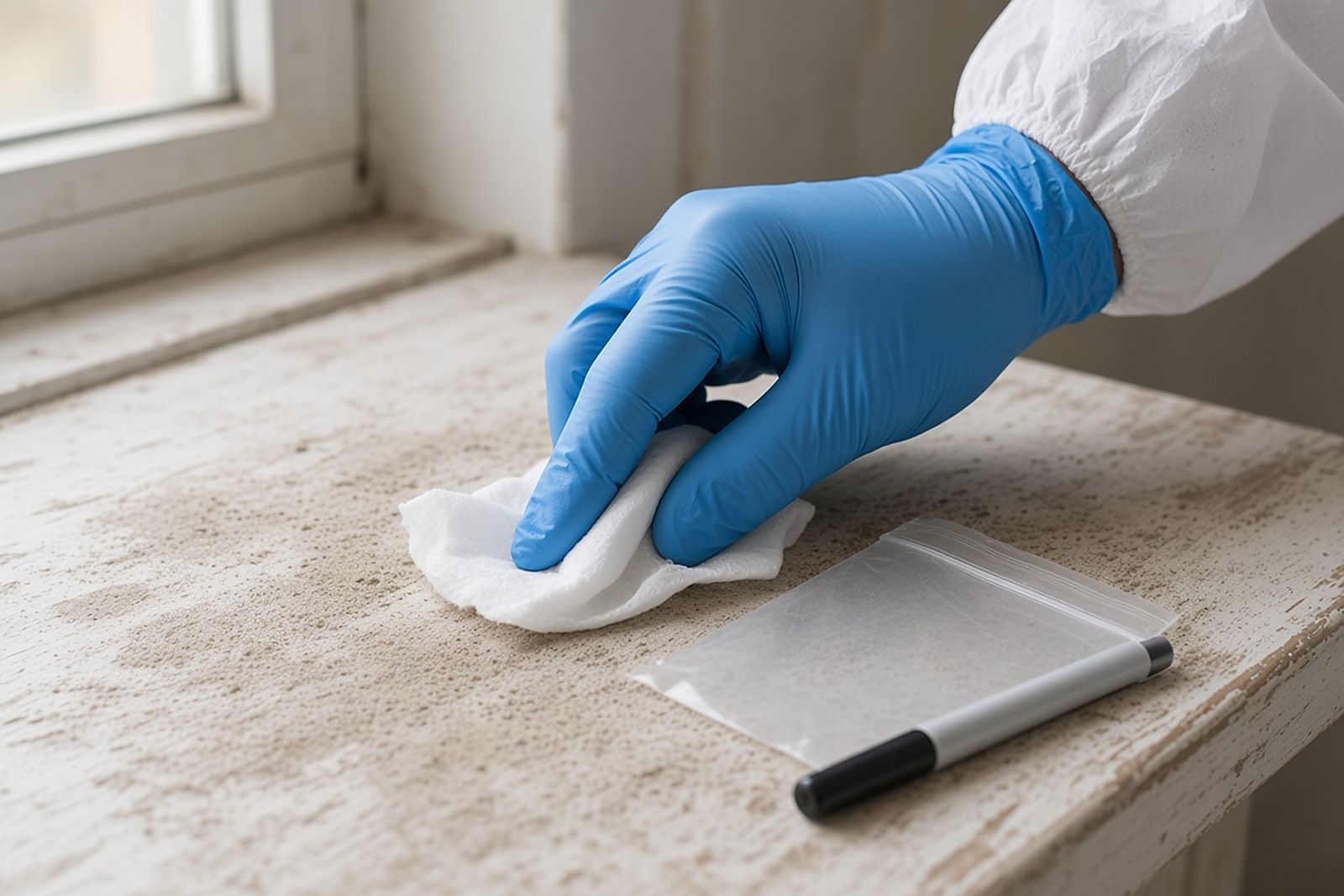
- Wash hard surfaces with a mild detergent solution and cool water, changing water and cloths often.
- For OC residue, use a degreasing dish detergent to lift the oil rather than water alone.
- Bag used cloths and gloves, and wash your clothing separately afterward.
- Wash your hands, face and any exposed skin with soap and cool water when you finish.
Signs it is time to stop and call a professional
Some signs indicate a job has moved beyond what household tools and methods can handle safely.
Children and pets deserve special attention in this decision. They spend more time on floors and furniture, touch surfaces and then their faces, and may not be able to tell you clearly when something stings. If your household includes either, lean toward professional cleaning for any room they use.
- Canisters or projectiles landed inside the building.
- The heating or cooling system ran during or after the deployment.
- Carpet, mattresses, upholstered furniture, curtains or large amounts of clothing were exposed.
- Irritation returns after you clean, or appears in rooms that were not directly exposed.
- Windows, doors or walls were damaged and residue is mixed with debris or soot.
- Anyone in the household has asthma, another lung condition, a heart condition, is pregnant or is very young or elderly.
- You need documentation for insurance or a claim.
What a professional crew does differently
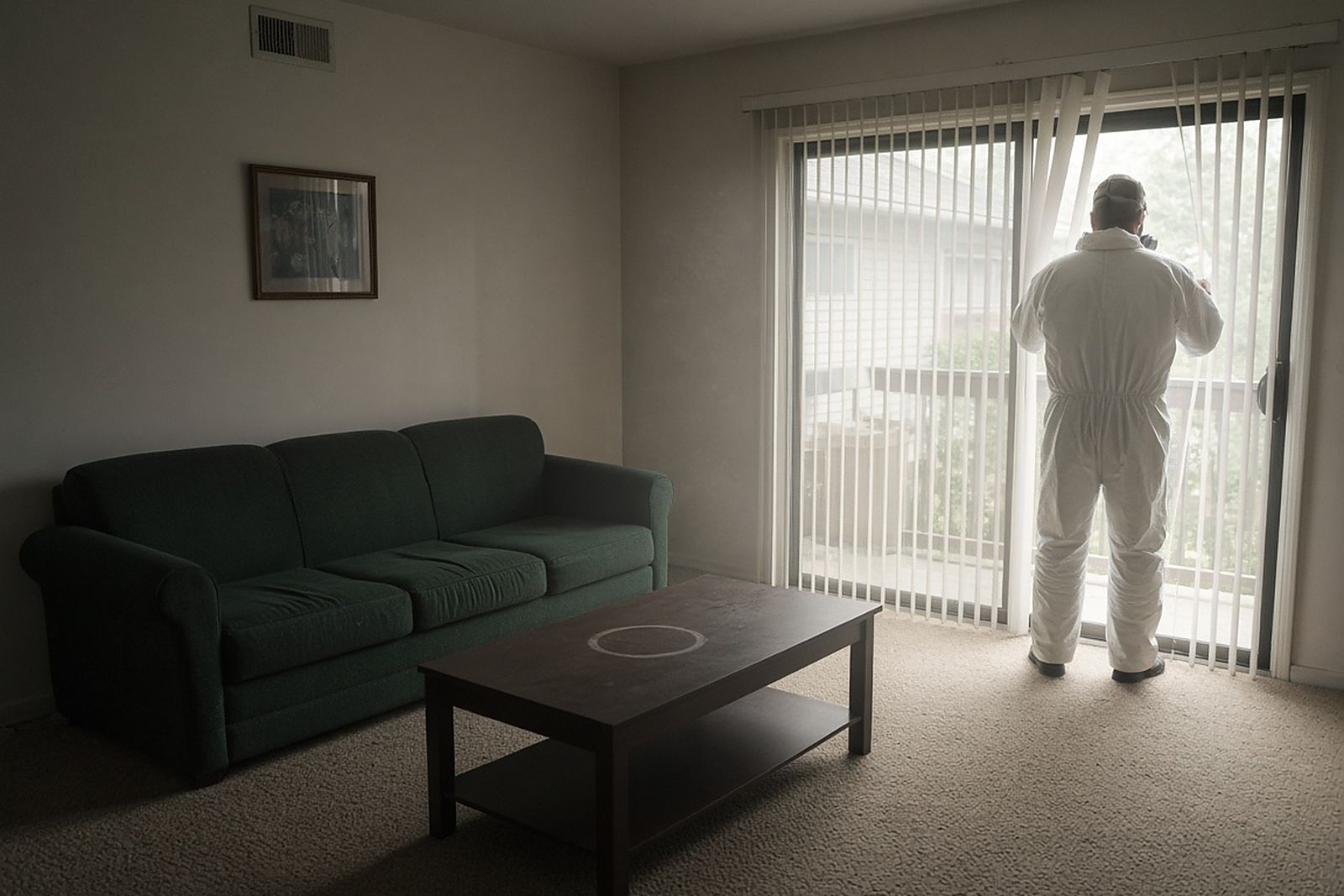
Trained crews start with an assessment, noting where the agent was deployed, whether the HVAC system carried it and which belongings were exposed. They then work in full-face respirators and chemical-resistant suits, which protect their eyes, lungs and skin in concentrations that would overwhelm a homeowner.
Their methods are designed to remove residue without spreading it. HEPA vacuuming of every surface comes first. Washing follows with solutions chosen for the agent, such as mildly alkaline cleaners for CS and degreasing detergents for OC, with frequent rinse changes. Soft goods are evaluated one by one for cleaning, laundering or disposal.
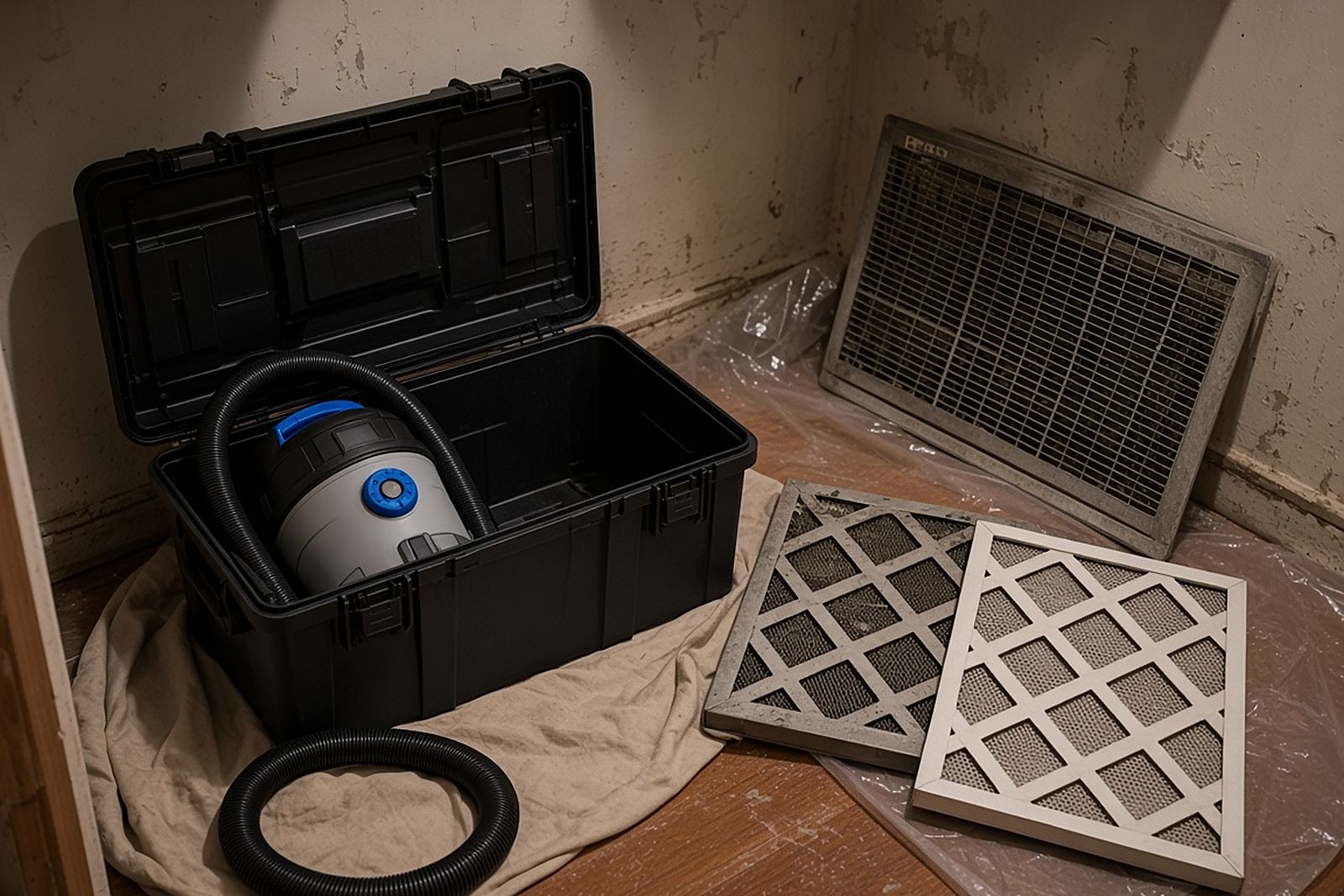
HVAC work is often the biggest difference. Crews replace filters, clean registers and accessible ducts and may service the air handler. Homeowners rarely have the tools to clean ductwork, and without that step, the system can redistribute residue every time it runs.
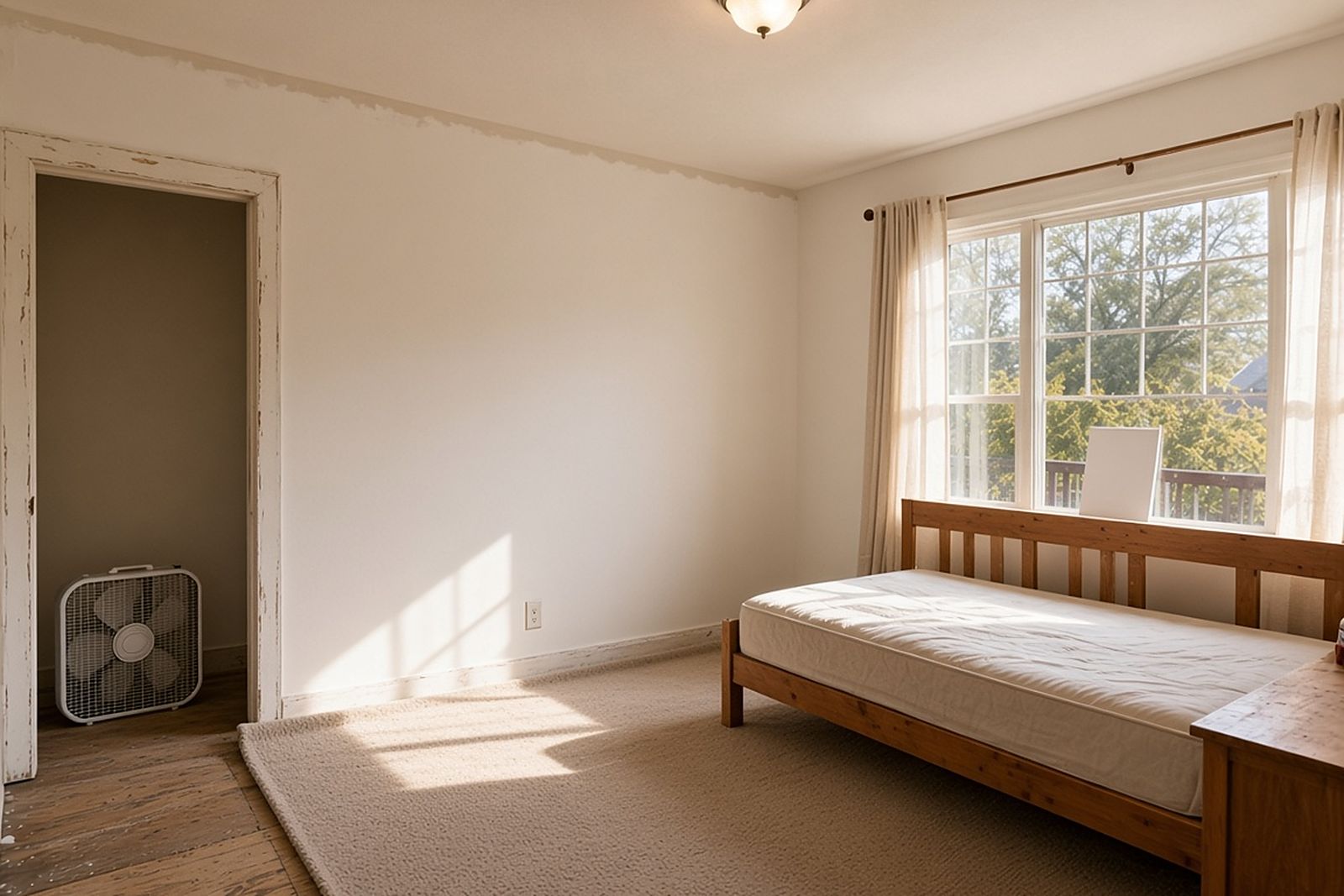
A good crew will also walk through with you at the end. They should invite you to spend time in each room, open closets, sit on furniture and handle bedding before they pack up. That final check is the practical test that the home is ready for you.
What are the health risks of getting it wrong?
Repeated exposure to residue during a DIY cleanup can cause burning eyes, coughing, chest tightness, skin irritation and headaches. For most people these symptoms are temporary, but some exposures lead to more serious effects.
A systematic review published in BMC Public Health in 2017 by Haar and colleagues examined injuries from crowd-control chemical irritants and found that of 9,261 documented tear gas and pepper spray injuries, 8.7% were severe enough to require professional medical management and 17% were moderate. Those injuries came mostly from direct exposure in the field, not from household cleanup, but they show that these agents can do real harm.
If you or a family member have trouble breathing, persistent eye pain or skin blistering after exposure, seek medical care. Stop cleaning and leave the area until symptoms settle.
DIY start, professional finish: an example
Take, as an illustration, a renter living near a downtown protest route comes home to find her apartment smells sharp and her eyes water. She had left a living room window open, and agent drifted in from the street. She also had the air conditioner running.
She puts on gloves and goggles, closes the window and wipes the sill and nearby floor with soapy water. The living room improves, but her bedroom, which is farther from the window, still makes her cough at night. She realizes the air conditioner pulled agent into the return and pushed it through the supply vents.
Her landlord hires a professional crew. They shut down and seal the system, HEPA vacuum and wash every room, clean the ducts and replace the filter. Her bedding and curtains are laundered off site, and a rug is discarded. Her initial cleanup of the sill was helpful, but the HVAC spread required professional equipment. The specifics are illustrative, but this kind of partial DIY followed by professional help is common.
Documentation, then the final call
If you plan to file an insurance claim or a claim with a government agency, documentation matters. Before cleaning anything, photograph each room, the canister locations, damaged windows or doors and affected belongings. Keep receipts for anything you buy or discard.
A professional company can provide a written scope, photographs and a list of discarded items, which insurers and claim reviewers often ask for. A DIY cleanup, however careful, usually produces less documentation.
Contact the responding agency's risk management or claims office to ask whether there is a claims process for damage caused during law enforcement action and what deadlines apply.
Keep any damaged items you plan to claim until the insurer says you can dispose of them, or photograph them thoroughly before they go. Adjusters sometimes want to see a sofa or mattress before agreeing that it could not be saved.
When you make the final call, start with safety. If the agent was deployed inside, if the HVAC system ran or if anyone in your home is vulnerable, call a professional. If exposure was light and limited to hard surfaces, a careful DIY cleanup with the right precautions may be enough.
Either way, check your results honestly. Spend time in each room with the doors closed, sit on furniture and handle bedding. If anything still stings, residue remains, and the job is not finished yet.