Short answer
Before hiring a tear gas residue cleanup company, ask whether it has handled CS and OC residue before, how it adapts to each agent, how it protects workers, how it prevents spreading residue, what it will do with the HVAC system, how it decides which soft goods to save, how re-entry is judged, what the estimate includes, what insurance it carries and what records you will receive.
Why this hire is harder than it looks
Relatively few cleaning or restoration companies handle chemical irritant residue on a regular basis. Many will say yes to the job, but their experience may be limited to smoke, water or general biohazard work. Tear gas residue behaves differently, and a crew that treats it like ordinary dust can leave reservoirs behind that keep irritating your household for weeks.
These agents are potent even in small amounts. Residue stirred up from carpets, furniture and ducts does not need to be dramatic to cause discomfort, which is why careful removal matters so much.
The ten questions that follow help you find a provider who understands those differences. Ask them by phone, at the walkthrough or both, and write down the answers so you can compare.
If you are a tenant, share the answers with your landlord. If you are an owner, keep them with your insurance and claim records.
Question 1: Direct experience with tear gas residue
Ask how many tear gas or pepper spray residue jobs the company has completed, what types of buildings they were in and what problems came up. Experience with police standoffs, protest-related exposures or accidental discharges in businesses is all relevant.
Question 2: Adapting to CS, OC or an unknown agent
Then ask how their approach changes depending on the agent. A knowledgeable provider will explain that CS tends to settle as a fine powder that can be lifted back into the air, while OC leaves an oily residue that clings to fabrics and surfaces. They should describe different cleaning steps for each, and explain what they do when the agent is unknown.
Listen for specifics. A vague answer such as we clean everything thoroughly is not the same as a description of HEPA vacuuming before wet cleaning, chemistry chosen for the agent and surface, and repeat passes where needed.
Ask, as well, whether they will contact the responding agency or ask you to, in order to confirm which agent was used and where canisters landed.
Question 3: Worker protection
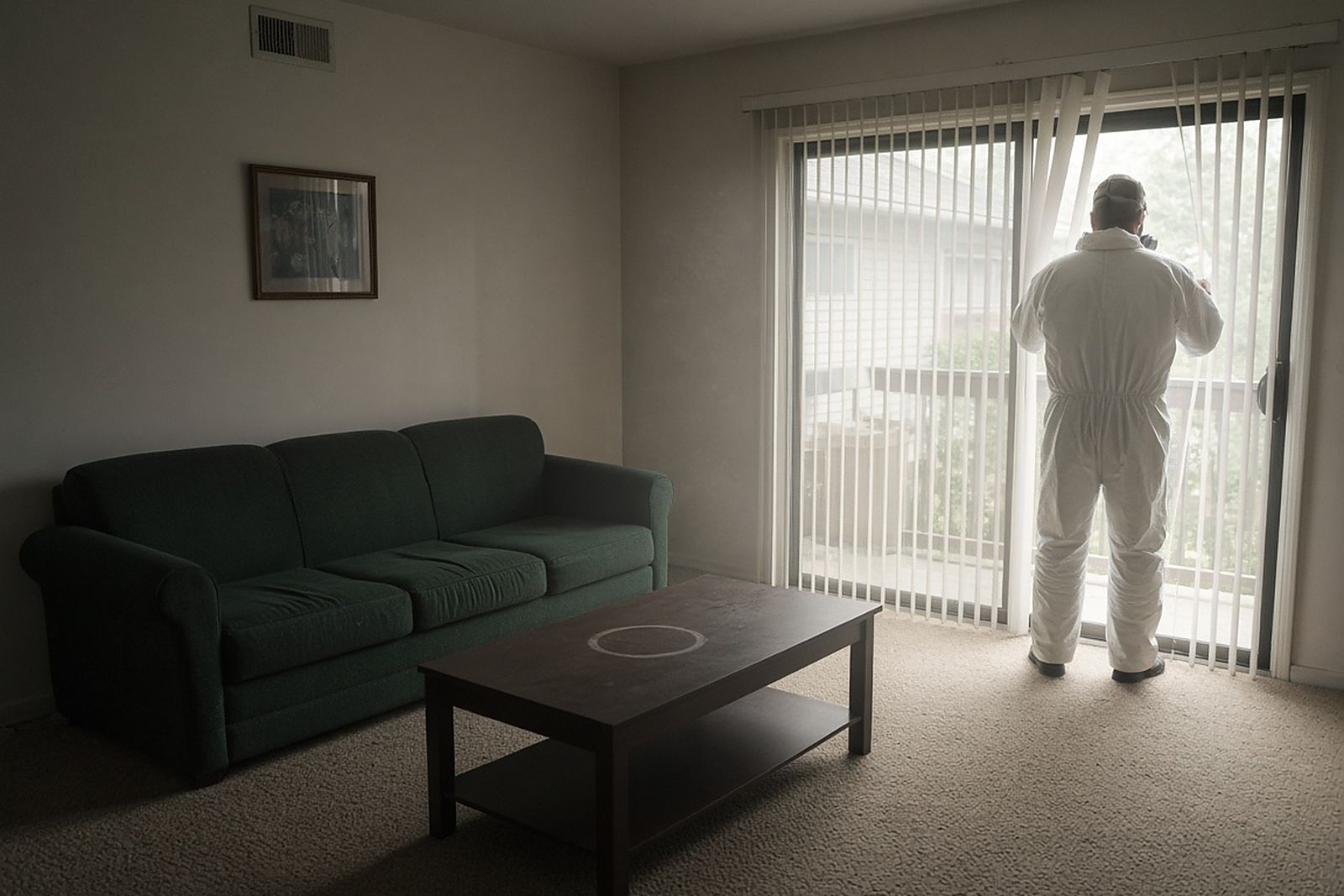
Ask what protective equipment crew members wear. At a minimum, expect respiratory protection, eye protection, gloves and disposable coveralls. Ask whether they have a respiratory protection program and whether workers are fit-tested for their respirators.
Question 4: Keeping residue from spreading
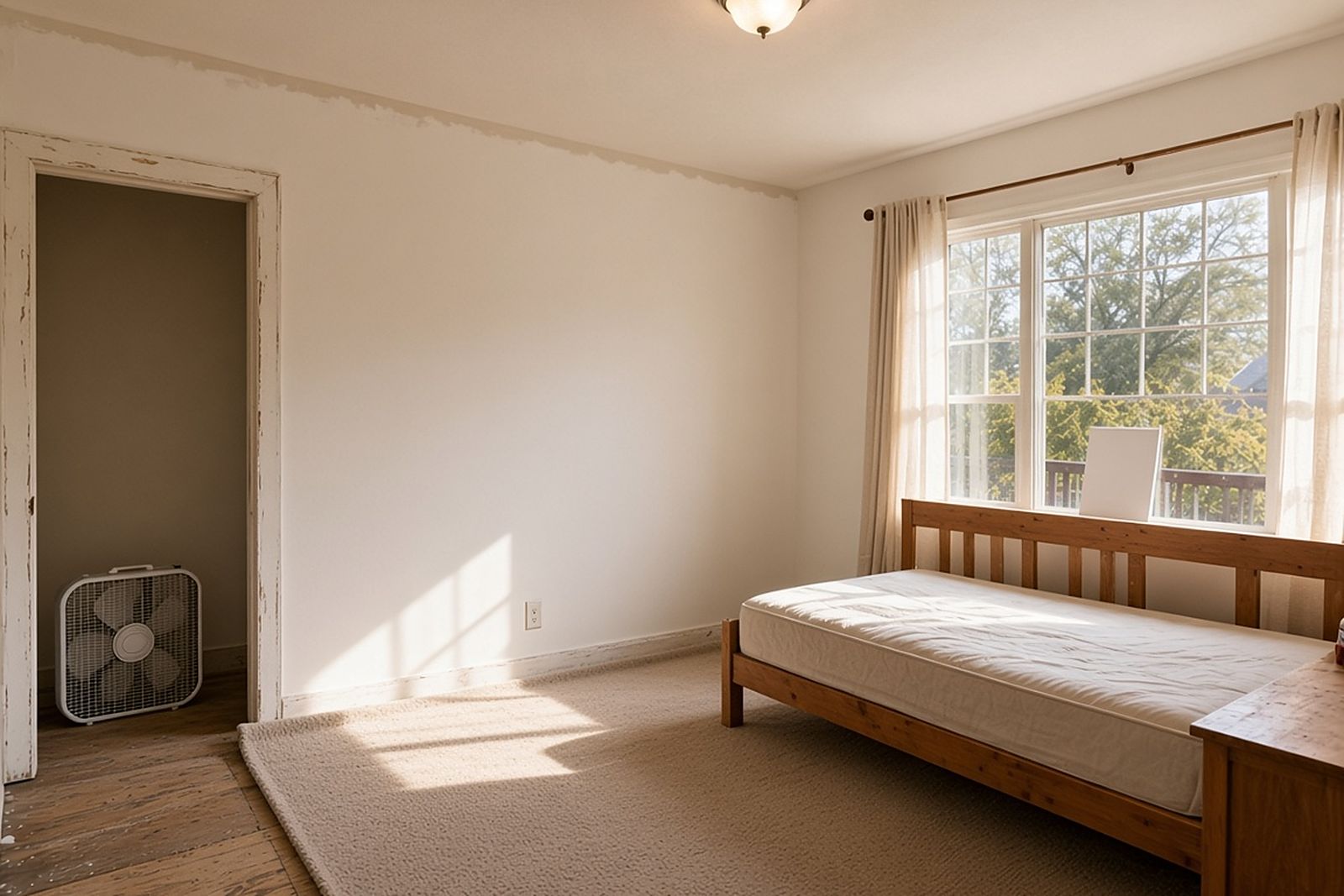
Next, ask how they prevent cross-contamination. Useful answers include sealing the HVAC system before work begins, setting up plastic barriers between affected and unaffected rooms, using HEPA air filtration during cleaning and bagging debris and soft goods at the point of removal.
A company that plans to open windows and run fans may make the problem worse by spreading residue to clean areas or neighboring units.
Ask what the crew does with its own equipment and clothing at the end of each day. Vacuums, tools and coveralls that leave your home still carrying residue can contaminate vehicles and other job sites, and they can come back in with the crew the next morning.
Question 5: The HVAC plan
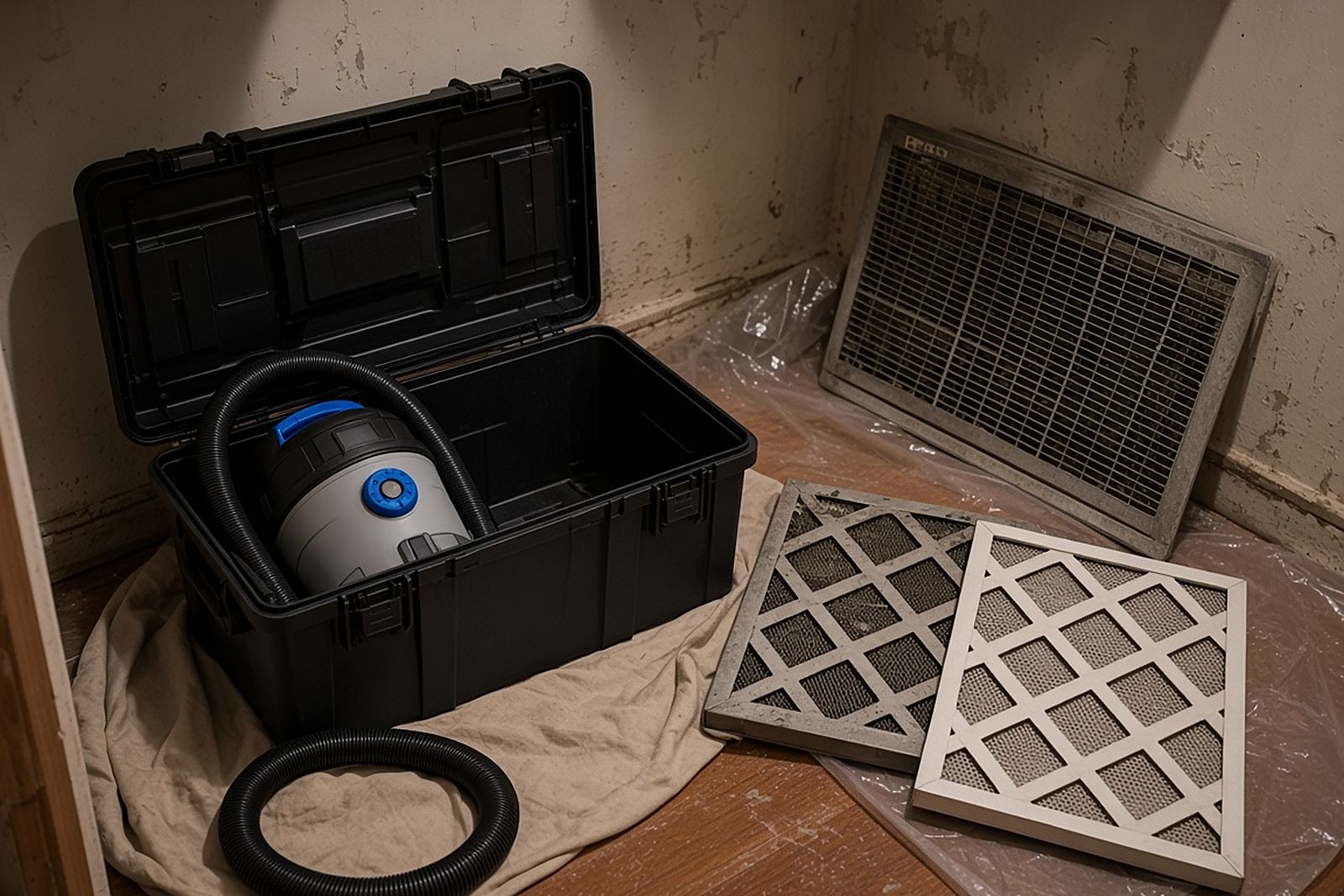
If air moved through the heating or cooling system during or after the deployment, residue may be in the filter, returns, blower compartment and ducts. Ask how the company inspects each part, what it cleans and when it recommends bringing in a duct specialist or replacing components.
Ask for photographs of what they find inside the system. Evidence helps you understand the recommendation and supports any insurance or agency claim.
A provider who only offers to change the filter, without inspecting the ducts, may leave a reservoir that reactivates the first time the system runs.
If the building has a shared or rooftop system, ask whether the company has worked with commercial equipment before and whether it will coordinate with the building's mechanical contractor. Access, lockout procedures and the order of cleaning all matter when a single unit serves several spaces.
Finally, ask when it will be safe to turn the system back on, and what you should watch for during the first few days of operation.
Question 6: Deciding which soft goods to save
Mattresses, upholstered furniture, rugs, curtains, clothing and toys can hold residue deep in their fibers. Ask the company how it evaluates each category, what cleaning methods it uses and when it recommends discarding.
A good answer involves you in the decision, especially for sentimental or expensive items. It also includes a written list of what was cleaned, what was discarded and why, which you will need for insurance or reimbursement.
Ask how contaminated clothing and linens will be handled. They should be bagged and laundered separately, not mixed with your household laundry or run through your own washer.
Question 7: How will we know it is safe to move back in?
There is no simple consumer test for leftover tear gas residue. Ask how the company judges completion and how it involves you in that decision.
Look for a final walkthrough in which occupants spend time in each room, sit on furniture, open closets and let the HVAC system run while the provider is present. Ask what happens if anyone notices renewed irritation afterward: will the company return, and at what cost?
Ask, too, whether the walkthrough can include the most sensitive members of your household. Young children, older adults and people with asthma may notice residue that others do not. Their comfort is a practical signal, even though it is not a laboratory measurement.
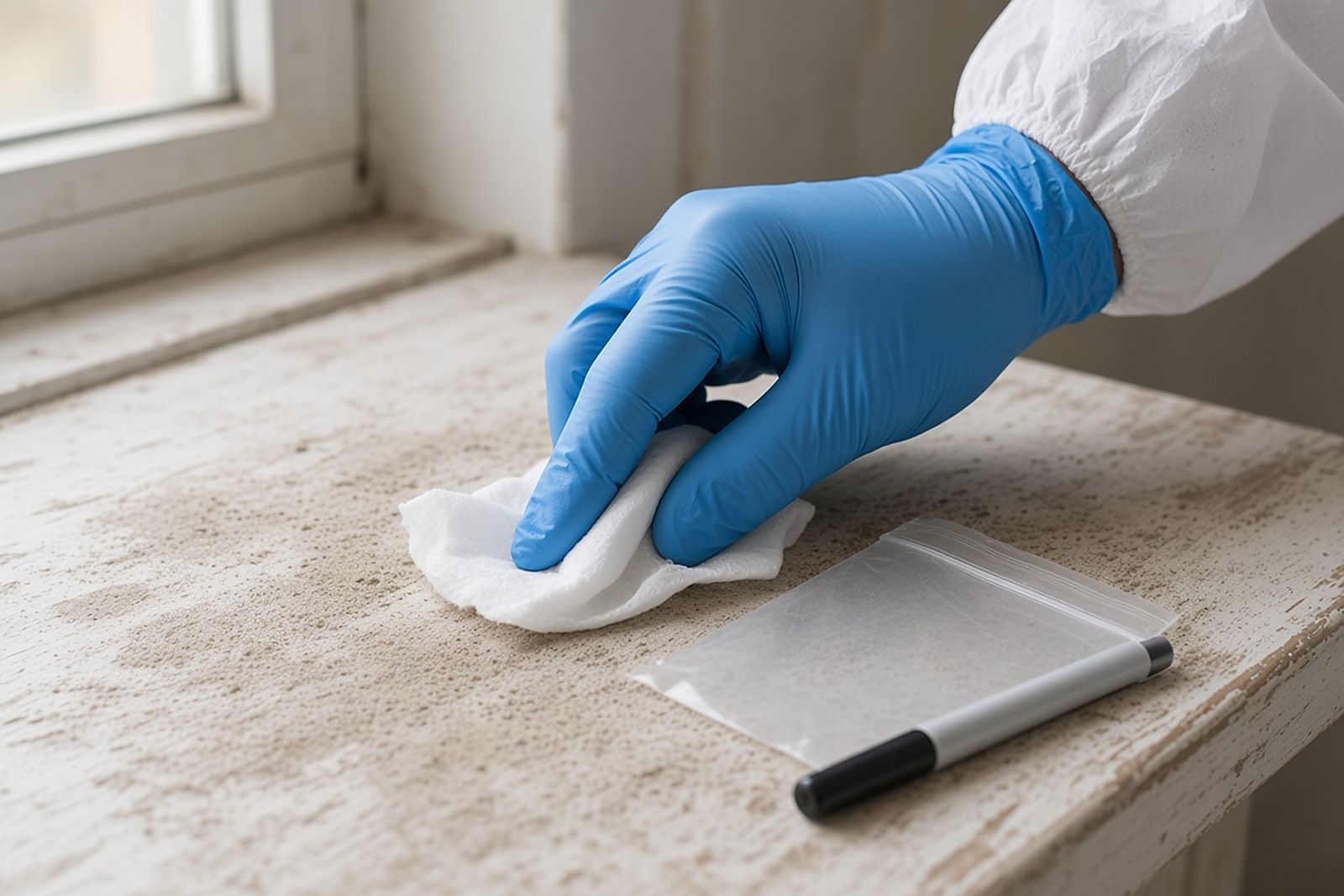
Some providers may mention surface testing tools. Ask what those tools actually measure. General cleanliness tests, for example, detect organic residue rather than irritant agents, so they cannot confirm that CS or OC is gone. A candid provider will explain the limits of whatever method they use rather than presenting it as proof.
Questions 8 to 10: Estimate, insurance and records
Ask for a written estimate that separates the major pieces of the job. It should include the items below, adjusted to your property.
- Room-by-room cleaning scope, including rooms without direct canister impact.
- HEPA vacuuming and wet cleaning methods for each surface type.
- HVAC inspection, cleaning and any component replacement.
- Soft goods to be cleaned, laundered or discarded.
- Debris removal and disposal.
- Repairs, or a note that another contractor will handle them.
- Follow-up visits if irritation returns.
Insurance certificates and the closeout package
Request certificates for general liability and workers' compensation insurance, and ask whether the company carries pollution or environmental liability coverage. Call the insurer listed on the certificate to confirm the policy is active.
Then ask what records you will receive when the job is done. A complete closeout package includes before and after photographs, the products used, HVAC findings and actions, a soft goods list and any recommendations for follow-up. If you are pursuing a claim with an insurer or the responding agency, these records are central to it. If a government agency is involved, ask its claims or risk management office early about any filing deadlines.
If the provider offers to communicate directly with your insurer, that can be helpful. Be cautious, however, of any company that promises reimbursement or asks you to sign over claim rights without a clear explanation.
Three answers to the same job, compared
Consider how three different companies might answer these questions for the same job: a small shop where pepper spray and CS drifted in through the open front door and the rooftop air intake during an incident on the street.
The first plan is to wipe down surfaces and air the shop out. The second asks which agents were used and plans HEPA vacuuming and cleaning, but never mentions the rooftop unit. The third asks about the agents and the air intake, plans to inspect the rooftop unit and ducts, and offers a walkthrough with the owner and staff before reopening.
Only the third plan accounts for residue in the rooftop unit's filter rack and return plenum, which is exactly where an intake-side exposure tends to leave it. A single question about the HVAC system is often what separates a thorough provider from an incomplete one.
It also shows why the cheapest plan is not always the least expensive in the end. Reopening with residue in the rooftop unit would likely mean closing again, repeating the work and answering questions from staff and customers about burning eyes.